Social Book

  • Subscribe to our RSS feed.
  • Twitter
  • StumbleUpon
  • Reddit
  • Facebook
  • Digg
Showing posts with label Nathan Bransford. Show all posts

Sunday, 7 July 2013

How To Get a Book Published: A Step-by-Step Guide with Links to FREE Information for the New Author

Posted on 10:40 by Unknown

The Interwebz can provide a wealth of information for new writers. In fact you can find pretty much everything you need to know to become a professional, publishing writer here on the Web, absolutely free.

But you'll also find a bunch of time-wasting bad advice that can lead you astray. When you’re a beginner, it’s hard to know who to listen to.

We decided we'd devote a page on the blog to some info for the writer looking to know the basics about how to get published. Thanks much to Janice Konstantinidis, the webmaster of the SLO Nightwriters for the suggestion!

This is not meant to be a comprehensive list: just a jumping-off place.

A new writer has a whole lot of options–and more are springing up daily. Nobody can say which publishing path is right for you. But we can steer you toward some blogs and websites that might help you decide and suggest some posts from our archives you might find useful

We’d love for readers to add their own recommendations to this list in the comments. We’ll incorporate your suggestions into a permanent page on this site.

OK: How do you get a book published?

Follow these steps and click through the links:

1) Learn about the publishing business

First, remember there is nothing wrong with writing as a hobbyist. You do NOT have to get a book published to call yourself a writer. (Do you have to join the PGA tour to call yourself a golfer?)

But if you do decide to publish, you need to be aware you are entering an industry. Whether you self-publish or traditionally publish, it's important to know how the business works.

We recommend reading Galley Cat, the publishing news round-up site.  It reports both traditional and indie news, and posts a self-publishers bestseller list.

Publisher’s Lunch, the newsletter for Publishers Marketplace, is the place for up-to-the minute news on what’s going on in traditional publishing. You can subscribe here. It’s free (Publishers Marketplace is not.) No matter how you publish, it helps to know what is selling right now, and who the players are.

We also are avid readers of the Passive Voice, which gives a round-up of some of the most important publishing stories of the day (and occasionally runs excerpts from this blog—thanks Passive Guy!) But be aware the comments tend to be weighted toward indie publishing.

2) Get short pieces published first 

Think outside the (full-length) book.  If you don’t have any stories, poems, reviews or essays in the archives, start writing them. It’s very, very hard to sell one book when you have no track record, no matter what publishing path you choose.

Then when you're working on your opus—or you’re editing it—you can also be sending stories, poems and essays to journals, local newspapers, blogs, anthologies, contests and websites in order to build your reputation as a professional writer. Again, this is important whether you self-publish or go the traditional route.

A great place to find vetted journals, anthologies and contests is C. Hope Clark’s Funds for Writers. Poets and Writers magazine also has an excellent list of contests, grants and awards.

But do check to make sure you’re not being taken in by bogus contests and fake anthologies. Always check them out at the Writer Beware blog. Bookmark that one. It's a must-read for all writers.

For more info about why you should be writing short pieces, check our archives:

Why You Should Be Writing Short Fiction
Short is the New Long

3) Finish your book 

Don't waste time worrying about publishing until you've got something to publish. Preferably several things.

Beginning authors are urged by some marketing people to start marketing long before they’re ready. Some seem to think authors should start “building platform” in the womb.

We think this is dumb. Learn to write, read informative blogs where you can network with other authors, and let yourself build up a body of work before you start trying to market yourself.

When you're starting out, it's better to read blogs than to write frantically on your own. Commenting on high-profile blogs is one of the best ways to get your name known.

Unfortunately, social media is writer’s block’s best friend. Not only is it endlessly distracting, but all the information on writing can also turn you into a perfectionist who keeps rewriting chapter one and never gets on with the story.

There are more great blogs on craft than we have room to mention here. It will depend on your book, genre and writing style which ones will resonate. One of my favorites is Janice Hardy's The Other Side of the Story. 

Some of our more popular posts on craft are:

10 Things Your Opening Chapter Should Do: A Checklist
12 Signs Your Novel isn't Ready to Publish

If you’re blocked and having trouble finishing and it’s anywhere near November, try barreling through during National Novel Writing Month (NaNoWriMo.) You can get lots of support from these folks. They help you let go of your perfectionism and get that book onto the page. There are now NaNos in the summertime, too.

4) Get your work critiqued 

And polished.  And critiqued some more. Then have it proofread. If you can exchange proofing with other writers, that can save you a lot of money.

A real-life critique group is great, because authors tend to be solitary and we need some human contact, but there are excellent critique groups online. We recommend  CritiqueCircle.com,  SheWrites or networking through My WANA, QueryTracker.net, AgentQuery.com, or Nathan Bransford’s forums.

But take care of yourself as you’re being critiqued. Realize there’s a little bit of the “blind leading the blind” going on with peer critiquing.

Also, your first critiques can feel like going through a meat grinder. For some self-protection techniques you might want to read these in our archives:

Bad Advice to Ignore From Your Critique Group
Should you eliminate “Was” from Your Writing? Why Sometimes “the Rules” are Wrong

5) Visit lots of blogs, online groups and forums to explore your options.

But avoid groups or forums where everybody tells you you’re a moron if you self-publish/Big 5-publish/small press-publish or whatever. People who believe in one-size-fits all are, um, morons.

You need to choose the right path for yourself and your work, and that’s going to be different for every writer.

Start with this post by Jane Friedman on how to get published. Jane is the former publisher of Writers Digest books and one of the most savvy people in the business.  This was pretty comprehensive when she wrote it in 2011, and most of the info still stands. Jane doesn’t post as much as she used to, but her blog is still one of the best. I love reading the insider publishing scoop from CNN's Porter Anderson there every Thursday in his Writing on the Ether.

A great blog for writers leaning toward the trad route but wanting to keep options open is agent Rachelle Gardner’s blog

Former agent Nathan Bransford's blog is one of the friendliest and most helpful place for newbies, and his archives are gold.

If you’re pretty sure you don’t want to go with mainstream corporate publishing, you’ll want to read Joe Konrath’s Newbie’s Guide to Publishing and David Gaughran.

If you’re leaning indie, the Writers Guide to Epublishing  (WG2E) is friendly and helpful with nuts and bolts issues, and welcomes trad-pubbed authors as well. (And Ruth Harris posts there once a month.)

A free site that's great for Romance writers is RomanceUniversity.

A great place to find blogposts that answer your specific questions is the Writers Knowledge Base, compiled by mystery author  Elizabeth Spann Craig. And if you're on Twitter, follow @ElizabethSCraig for the best links to writerly blogs on the Web.

If you’re pretty sure you want to go for that Big Publishing contract, Agent Janet Reid’s blog is great. Ditto Kristen Nelson’s Pub Rants. Also, the archives of Miss Snark are full of valuable information. And if you're looking for an agent, Chuck Sambuchino's Guide to Literary Agents blog is a must-read.

For YA and children's writers, you can read comprehensive agent profiles from Casey and Natalie at Literary Rambles and you'll also get lots of great info at Adventures in YA and Children's Publishing.

The Savvy Author's Newsletter also has excellent advice and it's free. They have a nice, friendly community as well.

6) Get yourself on social media...slowly

My personal recommendation: start a blog first. But don’t go nuts posting. Once a week or even once a month is OK to start, but the sooner you start one, the better. Search engines take a while to find you and you want Google to know who you are by the time you finish that opus.

A new writer's blog shouldn't be about marketing something you haven't published yet. It should be for networking and making friends. For information on what to blog about you might want to check my post on What Should You Blog About? 

For all social media advice, I highly recommend Kristen Lamb's Blog  (She also has great info on craft, presented in a fun, humorous way.) Plenty of bestselling authors owe their success to Kristen.

I also love Molly Greene’s blog for social networking tips.

In our archives: How Not to Blog (and the rest of my How to Blog series)
And Twitter for Shy Persons

7) Network with other writers

The writers you meet on your way up are probably also on their way up.  This is a business where who you know matters.

A person in your critique group today may be an agent or a bestselling author a year from now. I know many, many successful authors who got their agents through online networking. I know even more who found their designers, publishers, and most avid readers through social media.

You can network on blogs, forums and the many, many booky websites like RedRoom.com, LibraryThing.com, Goodreads.com, Shelfari.com, Reddit.com, Kindleboards.com, etc. and writers groups on LinkedIn and Facebook, plus the hundreds of writing forums.

BUT: Beware any group where you see snark or groupthink. There is horrific bullying going on in some of these sites. The nastiest seem to be the oldest. See my post on Gangs of New Media.

Absolute Write, some LinkedIn and Goodreads groups, and the Amazon forums are NOT recommended for that reason. I especially warn against the Amazon forums. They are rabidly anti-writer. The self-appointed enforcers will punish you for breaking their murky rules of conduct with all the self-righteous sadism of the Taliban slaughtering a schoolgirl. Don't go there.

The Amazon forums are not to be confused with the Kindleboards, where writers are welcome as long as they don't do any promotions.

The most friendly and safe forums are the personally moderated ones like Nathan Bransford’s forums, SheWrites (for women writers) and Kristen Lamb’s WANAtribe

Do NOT join more than two or three forums or groups. If you don’t find simpatico folks, move on. This is for making friends, NOT selling books.

Remember you are looking for friendship, moral support and an exchange of useful information.

8) Cultivate a patient attitude

This is a marathon, not a sprint.  I know you’re dying to get published, but believe me, it takes time to learn to be a writer. Malcolm Gladwell said it takes 10,000 hours to learn to do something well, and that sounds about right.

And I’m not just talking craft. You need to learn to take criticism with grace and never let them see you sweat.

If you think your critique group is bad, wait until the Amazon Forum Taliban hits you with 2 dozen one-stars because one of them knows your stalker ex-girlfriend who says you ditched her a week before the prom.

And you DO NOT WANT TO PUBLISH TOO SOON. It's the number one mistake new writers make.

That includes putting your book on your blog. Blogging is publishing. Lots of impatient newbies decide to blog their rough drafts. You don’t want to do that if you have any aspirations to being a traditionally published writer. Here’s Rachelle Gardner with a great post on the subject.

9) Learn to write a great query, synopsis and hook

Anybody wanting to traditionally publish needs to learn to write a query and a synopsis.

And sorry, self-pubbers, you do too. You’re going to be querying reviewers, bloggers, bookstore owners, etc throughout your professional life.  You have to be able to tell people about your book in three sentences or less.

Learn this now.

Best place to learn how to query: Janet Reid’s Query Shark blog.

Another is Nathan Bransford’s archives. Here's his great post on How to Write a Query Letter.

For an overview of Hooks, Loglines, Pitches check in our archives.

10) Decide what publishing road you want to take and start your career.

If you want an overview of your choices, check out my post on "Who are the Big 6? Answers to the not-so-dumb questions you were afraid to ask"

Then you can take one of any of a number of paths:

* Send out queries to agents if you want to try for a Big 5 contract. Find the right agent to query through AgentQuery.com and QueryTracker.net. And always, always, always visit the agent's own website to read the guidelines before you query.
or
* Query editors at small and independent digital presses if you want a publisher but prefer not to go corporate. You can find a list of literary small presses at Poets and Writers. I'd love to have a list of small and indie digital presses for genre fiction but they pop in and out of business so often it's hard to keep up. If anybody knows of a good list, please let us know!
or
* Submit to digital imprints of the Big 5 that do not require an agent (but before you sign a digital press contract, read Writer Beware on the new digital imprints and their contracts.) 
or
* Hire an editor and get your book polished up to self-publish. For nuts and bolts info on how to do that, read the archives of David Gaughran’s Let’s Get Digital. For a list of vetted editors try the Editorial Freelancers Association.

If you’re not tech-savvy and need help in self-publishing, we’ve heard good things about BookBaby.com and Draft2Digital.

Smashwords is also a great way to get on a number of platforms. And CEO Mark Coker has lots of great info on his blog. He's super-savvy and 100% pro-author. And people tell me Mark Coker's FREE book on formatting is a must read for every self-publisher.

11) Learn that rejection is part of the process

Scathing critiques, agent and editor rejections, terrible reviews: every single author who's ever lived has had to endure them.

Right now, go to the Amazon bestseller list. How many books do you see that you really, really want to read right now? Be honest.

Not that many, right?

Does that mean the other books aren’t good?

No. It means you personally didn’t feel like reading them today.

That’s what an agent does every time she looks through her queries. She has to choose what she personally likes. You could be the next F. Scott Fitzgerald, but if she’s in the mood for vampire erotica, you're getting a rejection.

From her. There’s always somebody else.

For some great insider info on what rejection really means, check in our archives:

11 Reasons Why Writers Get Rejected—And Why Only 3 of them Matter by Ruth Harris
Rejection: Why it Doesn’t mean What You Think it Means by Catherine Ryan Hyde

If you want more info on the care and feeding of the writers’ soul, as well as lots of in-depth information about the publishing process, you might want to spring for a copy of How to be a Writer in the E-Age by Catherine Ryan Hyde and yours truly. Not free. But a bargain at $2.99 for the ebook.

And don’t forget to have fun. Publishing is a journey. It’s important to enjoy yourself along the way.

Oh, and what can you do right now, this minute? You can write your author bio. It will make you feel like a professional and you can have it ready and waiting the first time one of those stories gets accepted.

Here's our post on How to Write an Author Bio Even if You Don't Feel Like an Author...Yet.

OK, Scriveners: What can you add to our list? Any must-read blogs that helped you on your road to publication? Any forums where you found BFFs? We welcome all your suggestions. 

BOOK DEAL OF THE WEEK

Food of Love--a comic thriller about dieting, chocolate, and a small nuclear bomb

Usually $2.99, now only 99c on Amazon , Amazon UK and NOOK 


"This hilarious page-turner packs a profound satirical bite. It's a Hollywood romp that provides romance, mystery, and an honest confrontation with the human condition. Food of Love is a funny and powerfully healing book." ...Lucia Capacchione, PhD, bestselling self-help author, Recovery of Your Inner Child

OPPORTUNITY ALERTS

1) Quirk Books "Looking for Love" contest.  They offer a $10,000 prize for the best quirky love story of 50,000 words or more. Visit the Quirk Books website to download the entry form or for further information. Quirk Books was founded in 2002 and publishes around 25 books each year. Their bestselling titles include Pride and Prejudice and Zombies and Miss Peregrine’s Home for Peculiar Children. Entries close October 1, 2013

2) A site for KOBO READERS: TrindieBooks.com This Canadian site is the KindleNationDaily for Kobo. Really nice folks, affordable rates, and their ads are FREE if your book is free for Kobo. Reach some of those voracious Canadian readers. Kobo is the most popular ereader in Canada.  Submit your book here. 

3) Escargot Books is expanding its catalogue and are now accepting submissions. Crime fiction (dark thrillers to cozies), women’s fiction, wealth and fitness, children’s, sci-fi and dystopian. All books will be published in digital format. Some books will be chosen for print and/or audio as well. Escargot Books does not offer an advance, but they offer higher royalties than traditional publishers, especially for direct sales from our website, as well as editing, formatting, promotion, and the company of bestselling authors. They have some big name authors and a good track record. Here’s their online submission form

4)  A Room of Her Own contest for women writers. Entry Fee: $15. Four prizes of $1,000 each and publication in Los Angeles Review. Submit a poem of no more than 36 lines, a short short story of up to 500 words, a story of up to 1,500 words, or an essay of up to 1,500 words. Visit the website for complete guidelines. Deadline: July 31, 2013

5) Advertise to British readers with EbookBargainsUK. Listings will be half-price through July and August and anyone listing then will get a credit for a free listing for September onwards (excluding the Holiday period December 20 – January 10). ALSO: They will be launching Ebook Bargains Australia, Ebook Bargains New Zealand, Ebook Bargains Canada and Ebook Bargains India soon, offering authors a chance to target their ebooks at readers through local stores in those countries. Inclusion in these international email newsletters will not cost you anything extra! The one small listing fee will get your ebooks in all five newsletters, reaching five of the biggest English-speaking markets outside the USA.

If you're in any of those countries, do sign up for their newsletter. It brings links to free and bargain ebooks—at the bookstore of your choice—in your inbox every morning. You can subscribe here.

We love your comments! If you can't get through Blogger's hoop-jumping, send me an email at annerallen dot allen at gmail dot com and I'll post it manually.

Read More
Posted in Anne R. Allen. SLO Nightwriters, Best links for writers, Food of Love, how to be a successful author, How to find a publisher, How to publish a novel, Kristen Lamb, Nathan Bransford | No comments

Sunday, 16 June 2013

7 Ways Authors Waste Time "Building Platform" on Social Media

Posted on 10:13 by Unknown

Authors are getting hammered with more and more demands on our time. We get escalating pressure to blog more! tweet more!! send more newsletters!!! churn out 12 books a year!!!! And don't query unless your Klout rating is as high as Justin Beiber's !!!!!

It's making us all feel as if what we do is never enough, as Nathan Bransford lamented last week.

"It never feels like there are enough hours in the day, or days in the weeks, or weeks in the months, or months in the year. Time slips away, and with it a chance to accomplish something or edge closer to your dream. Social media only adds to the pressure. 

People are completing novels and making New York Times bestseller lists and curing cancer while juggling on a unicycle and it all looks so effortless and who needs sleep anyway??"

I’ve addressed the problem myself in my post Why Are We Running as Fast As We Can to Stay in the Same Place? 

Porter Anderson of Writing on the Ether responded to Nathan with a post of his own, where he said,

“Remember the early XM Radio slogan? ‘Everything. All The Time.’ Are we really going to be able to sustain this?”

No. We aren’t.

We are creative human beings, not machines, and creativity is subject to departure without notice, leaving depression and anxiety in its wake. In succumbing to the pressure, we are abusing ourselves—risking physical and mental illness. Plus we’re increasing the pressure on all our colleagues by appearing to be that magic “unicyclist” Nathan talks about.

Thing is: A lot of the pressure comes from misinformation  and old news.

The online world reinvents itself at least every two years, and the creaky old publishing business has a hard time keeping up. They’ve jumped on the social media party train, but unfortunately, they sometimes jump on the caboose instead of the engine.

A lot of the things publicists and marketers are asking authors to do are time-wasters that have been overused, are no longer relevant, or have no impact on sales.

If you’re in a master/slave relationship with an agent or publisher, you may be forced to do this stuff.  But you can be excused for slipping a link to this post into your next email.

And if you’re an indie, you can ignore it all and do what actually works. (And please, stop trying to manipulate your fellow authors into doing this stuff for you.)

Right now what works is having lots of sales and freebies and—if you can afford it—advertising them on vetted newsletters like Bookbub. E-Reader News Daily or EBookBargainsUK. But next week it will probably be something different. This business is changing by the nanosecond.

The only thing that can be counted on to enhance your visibility as a writer is to interact with readers in a real, honest, and generous way on the social media platform of your choice, as Hugh Howey has showed us. He said he focused on the readers he already had instead of trolling the universe for more. When you create the kind of goodwill and loyal fan base he has, word of mouth spreads news of your books. That way you get those "1000 true fans" instead of amassing pointless lists of numbers.

Here’s stuff that doesn’t work, wastes time, and could lead to serious burnout:

1) Racking up 1000s of Twitter followers  

The only followers that matter are the ones who read your books and blogposts and interact with you. Any others are meaningless.

I’m amazed at all the spam I get offering to sell me followers. A "follower" whose identity has been obtained by fraud and sold is not going to be a willing customer.

Buying thousands of Twitter followers and calling it a “platform” is like renting a lot of empty safety deposit boxes and saying you’re rich.

And paying somebody to send out a stream of tweets saying "buy my book" to a bunch of strangers is pointless, too. I don't know anybody who has ever bought a book because they were ordered to in a tweet by a stranger.

An author with fifty engaged fans on Twitter is going to be far more effective than one with a thousand detached strangers, all of whom are purchased and/or are other authors racking up follower numbers, too.

Another thing that publicists and marketers love that will not gain you any readers: automating Tweets, especially auto-responds that say “buy my book, minion!” and asking your Tweeps to do your marketing for you. Auto-responses to a follow usually get an auto-unfollow, and publicists who insist you put one on your Twitter account are clueless.

2) Madly promoting your "Like" page on Facebook

People actually pay for ads on Facebook and give prizes to readers in order to get more "likes" for an author page. But a post on an author “like” page will only get a dozen or so views now—unless you pay extra fees—and you’re not allowed to interact on other pages or groups unless you have a personal page as well. This means a "like" page is far less important than it used to be.

It's probably a good idea to have an author "like" page so you have a Facebook presence—like having an ad in the Yellow Pages—but the number of "likes" has no impact on book sales. (Ditto Amazon author page "likes".)

A personal Facebook page is much more useful, but if you sign up for a personal page, you open a whole new worm-can. You're at the mercy of malevolent fellow authors who mark your blog links as “spam” in order to get you put into FB jail and block people from visiting your blog. There are no humans at FB to contact to report this kind of abuse. Believe me. I have sent at least two complaining emails a week to dozens of addresses. I have never had a response, and they still block this blog as spam.

At the same time, Facebook encourages real spammers, scammers and gamers who try to trick you into giving the personal information of all your friends so they can sell it to marketers.

And as far as privacy goes—you might as well live in a picture window like an Amsterdam hooker. (NSA, eat your heart out: Facebook has been invading our privacy for years in ways governments can only dream about.)

For me, Facebook is only useful to network with other writers in the various FB writing groups and to announce freebie and sale days on pages like Free Kindle and Nook Deals , 99 Cent Kindle Deals. (There are hundreds of these. It’s kind of a crapshoot which ones will work.)

Requiring an author to have a certain number of Facebook likes/friends is even more pointless than the Twitter-follower thing, since you have to pay to have any of these people see your posts.

NOTE: These days I think a writer can do much better finding readers on a smaller social network like RedRoom, SheWrites, or myWANA—sites where both readers and writers congregate and you can engage with people. (Goodreads can be good too, but they have a bully problem, and I find it incredibly hard to navigate.)

Even simply commenting regularly on blogs like this one can help form community and get your name out there. If I see a new book by somebody who's commented on my blog, or Kristen's or Nathan's—yeah, you bet I'm going to check it out. Much more than if I get a notice of a book launch from one of my 600 "friends" on Facebook.

3) Amassing a huge list of email addresses for a newsletter

I’ve resisted the pressure to start up a newsletter. I do send a private email to a few selected friends to announce new blogposts, but that’s it. That’s because I hate newsletters. They’re mostly rehashed content from blogs or websites and chest-beating self-praise.

A lot of spam-blocker programers seem to feel the same way, because most spam-blockers will block anything sent to more than ten addresses.

So I was so glad to run across a post from marketing guru Jon Morrow last week called "Why You Shouldn't Create a Newsletter."

“Newsletters are so 2005” is the way he put it. He says blogs are much more effective, and it’s annoying overkill to have both.

He says, “publishing [used to be] a one-way street. You wrote a newsletter, article, or white paper, sent it to your readers, and they either read it or ignored it. End of story.With social media though, communication now flows both ways. 

Yes, we still publish information, but now our readers respond back to us, leaving comments, sharing with their friends, and linking to us from their own blogs and websites. It’s a complete game changer. 

Rather than publishing an article you like and hoping your readers enjoy it, now you know what they think within a matter of minutes. You can also compare the response to different articles to see what your readers enjoy most.” 

He also points out that blogposts can be tweeted and shared with thousands, instead of forwarded to one person (if you’re lucky.)

In other words: newsletters are old news.

And as for sending them out to everybody who has ever commented on your blog or emailed you: just don’t. No matter how much your marketing department hammers you to do it. Not only is it likely to end up in a spam folder, but mass-marketing to people who are not your fans only annoys them.

Establish an enticing blog and enable email subscriptions to blog updates. It's more interactive and up-to-date than a newsletter and accomplishes the same goal.

4) Participating in expensive, grueling blog tours

I’m not against blog tours. My sales spike when I visit other blogs. And a professional blog tour organizer can be hugely valuable in helping you target blogs where your potential readers congregate.

But those big, month-long “blog tours” are usually too expensive to be cost-effective and often create an unpleasant experience for authors and bloggers alike.

Part of the problem is that the publicist or marketer who sends you on the “tour” is making money, and the tour host is making money—but the bloggers you visit aren’t making a dime. These are the people who are doing the actual work of reading, reviewing and interviewing. It can make for an unbalanced relationship that can cause bad feelings on both sides.

I know for a fact that many blog tour organizers do not do their homework, because they’re always writing asking me to review books.

Um, see any book reviews around here?

Ebooks do not have to be marketed like pbooks with a big splashy launch and a “tour”. You can build readership slowly, since e-retailers have infinite shelf space and your book won’t be returned if it doesn’t make huge sales in its first month.

That means the blog-till-you-drop $2000 blog tour is idiotic.

Instead, you can guest blog once or twice a month throughout the year. And instead of paying somebody to find the bloggers—who may be burned out by the time you show up—network with book bloggers in your genre yourself. Read their reviews and interviews and comment on them. Devoting a few minutes a day to “blog touring” instead of an intense, soul-crushing month will bring you better rewards.

Or visit five or six blogs at the time of your launch instead of fifty. A blog tour service that’s very affordable and allows for small tours is Black, White, and Read Tours, which was formed by three book bloggers who only charge a small amount for their time and have respectful relationships with the bloggers you’ll visit.

5) Blogging every day

If you’re a regular reader of this blog, you know how I feel about frantic, frequent blog-posting. I’m an advocate of Slow Blogging. You can read about the Slow Blog Manifesto here.

Advice to blog every day comes from the Jurassic days of the Weblog, when there were maybe 10,000 of them, not uncountable billions. Your readers can’t keep up. Bloggers who blog every day are likely to 1) Blather-blog, because they run out of things to say 2) Burn themselves out. 3) Have no time to write new books 4) Annoy readers with too many notifications of new posts.

I’m so grateful to bloggers who only have one or two great posts a month. I can enjoy their work instead of tearing through it or feeling guilty I'm skipping it.

A blog is the best place to establish a Web presence, build platform and interact with readers, but you can do that with weekly or bi-weekly posts.

Remember readers have lives. And chances are very good they don’t revolve around you.

6) Blog hopping

Blog Hops are big in the indie author community and can be fun. They're a good way for newbies to meet and network with other writers and get some blog followers when you're starting out.

But when you're a working, publishing author, a blog hop can be a huge time suck that offers little reward. They generally don't reach readers—just other authors, who are not your best audience.

"Hops" often involve a big prize like an iPad to be given in some contest that involves Tweeting frantically and making lots of comments on dozens of blogs. Everybody contributes a chunk of cash and some blocked author with nothing to do but Tweet and comment for a week gets an iPad.

Nice for the blocked author. Pointless for everybody else.

On the other hand, getting together with fellow authors in your genre to do a joint sale or promotion can be very successful, as I found out teaming up with other members of the "Official Chick Lit Group" on Facebook. We all posted an ad for the promo on our blogs, but didn't have to hop around to every blog or write timewasting posts and identical, inane comments. A much better use of everybody's time.

7) Worrying about your Klout, PeerIndex or other social media rating

Social media ranking systems like Klout and PeerIndex show one thing: how much time you spend on the Internet instead of writing books. If you're dealing with marketers who are in love with numbers for their own sake, I hereby bestow a rank of 10 million ARA points on each of you.

When somebody puts you down for not having a Klout rating over 80, just roll your eyes and say "Klout is so over. I have 10 million ARA points." Then get out the smelling salts. Big, meaningless numbers make these people swoon.
***

The best way to sell books is to write more books. Good ones. There may be authors who can actually churn out twelve good books a year, but I sure can’t. None of my favorite authors can either. A good book is thoughtful and reflects life experience.

If you’re chained to your computer, mindlessly Tweeting, blogging about your writer's block, and posting LOL Cat pictures to Facebook, you're not experiencing life, so you're not going to have much to write about.

Yes, we all have to be on social media. An author needs to have a Web presence, be Googleable, and offer fans a way to interact. But we need to be smart about it—and never forget our main job is to write those books.

What about you, scriveners? Do you feel pressured to waste time in frantic busy-work? What do you find sells books right now? Can you recommend a smaller social network where writers and readers can get to know each other? 

THIS WEEK'S BOOK DEAL

My publisher has made the Camilla box set ridiculously cheap for beach season. 

99 cents for three hilarious mysteries!

Available on Amazon US, NOOK, and Amazon UK


"The Best Revenge, Ghost Writers in the Sky and Sherwood Limited are hysterical. Anne Allen will keep you laughing throughout, but in the meantime she dabbles her fingers in some topics worth some serious thought: sexism, weightism, lechery, murder, duplicity, homelessness & poverty to name a few. If you love to laugh, you'll like these three books. If you love to think, ponder AND laugh, be ready to fall in love"... C.S. Perryess

And if you want to read more of my deathless prose, I'll be visiting Alex J. Cavanaugh's blog on Monday, June 17, to talk about what inspired my latest Camilla mystery, No Place Like Home.

OPPORTUNITY ALERTS

1) Quirk Books "Looking for Love" contest.  They offer a $10,000 prize for the best quirky love story of 50,000 words or more. Visit the Quirk Books website to download the entry form or for further information. Quirk Books was founded in 2002 and publishes around 25 books each year. Their bestselling titles include Pride and Prejudice and Zombies and Miss Peregrine’s Home for Peculiar Children. Entries close October 1, 2013

2) The Lyttoniad contest for the WORST first sentence of a novel. This classic Bulwer-Lytton "Dark and Stormy Night" contest makes news every year. Each entry must consist of a single sentence but you may submit as many entries as you wish. E-mail entries should be sent to Scott Rice at srice@pacbell.net in the body of the message, Ariel 12 font. One e-mail may contain multiple entries. Entries will be judged by categories, from “general” to detective, western, science fiction, romance, and so on. There will be overall winners as well as category winners. No prizes that I know of, but lots of admiration from your fellow writers.  Deadline is June 30th.

3) The Hidden River Arts Playwright Award: $1000 prize 
Eligible: Any previously unpublished and unproduced full-length play. (And yes, full-length musical plays are also accepted!) The full script should be submitted, along with a synopsis and character breakdown. Any scripts submitted without the synopsis and breakdown will be disqualified. Musical submissions should include either a sound file, sent to hiddenriverarts@gmail.com, or a CD mailed to Hidden River Arts, P.O. Box 63927, Philadelphia, PA 19147. The music should be clearly marked and identified so that we can attach it to the appropriate submission. $17 entry fee. See website above for details (takes forever to load, sorry.) Deadline June 30th. 

4)  The Huffington Post's Huffpo50 is now publishing short fiction!   The rules: You must be 50 or older to enter. Writers can submit only one story per year, and all pieces must be 5,000 words or less. Send your original submissions, as well as your contact details, to 50fiction@huffingtonpost.com.

5) FREE book advertising to British readers from EbookBargainsUK (This really works. I used them for No Place Like Home after my freebie run, and my bounce was three times higher in the UK than the US because of the ad.)

DEADLINE EXTENDED! Lots of authors and publishers have had huge successes with their FREE or SALE books by advertising on BookBub, ENT, KND, POI, etc. But none of those target the UK, and their links go to US sites Brits can't use. But now there’s a newsletter for UK readers only. It links to all the big UK retailers like Apple UK, Waterstones and Foyles as well as Amazon UK. They don’t sell books direct or get paid for clickthroughs, so they don't have any restrictions on how many free books they can spotlight like BookBub and the others. So it's THE place to tell Brits about your book when it goes free or on sale in the UK. Since Brits have the highest number of readers per capita of any country in the world, this looks like a great idea to me: Plus: the site will be offering FREE book ads until June 30th, on a first come, first served basis. Remember this is for books you have on sale or free. 

And if you're in the UK, do sign up for their newsletter. It brings links to free and bargain ebooks—at the UK bookstore of your choice—in your inbox every morning. You can subscribe here.


We love your comments! If you can't get through Blogger's hoop-jumping, send me an email at annerallen dot allen at gmail dot com and I'll post it manually.
Read More
Posted in Blog hop, Blog tour, Blogging, Burnout, Hugh Howey, Jon Morrow, Nathan Bransford, Newsetters, Porter Anderson, slow blogging, Social Media Marketing, The Slow Blog Manifesto | No comments

Sunday, 5 May 2013

Gangs of New Media: Twitchforks, the Hive Mind, and “Social Lasers of Cruelty”

Posted on 10:00 by Unknown

I spend a lot of time here telling writers how and why to use social media, but I don’t often address the dangers. Yeah, they exist. I don’t know why, but otherwise sensible people can morph into irrational brutes when they’ve got their fingers on a keyboard and a connection to the Interwebz.

Bad behavior abounds in all social media. In an article in the NYT last week, Henry Alford said Twitter can be like "a crowded barroom that bristles with a certain kind of white male rage...marked by a hostility toward anything poetic or naïve."

The easy anonymity of the Interwebz is usually blamed for the nastiness—and I admit things have felt safer here since I disabled anonymous comments—but I think the most egregious abuses spring from something far more dangerous: mob mentality. A gang of self-righteously indignant “groupthinkers” can do more damage than one lone anonymouse, even a sociopathic one.

"Groupthink" is defined by Merriam-Webster as “a pattern of thought characterized by self-deception, forced manufacture of consent, and conformity to group values.” It's also known as “the hive mind.”

Writers new to social media need to be aware that anybody can become a target of one of these groups—often people who have done nothing wrong—and we all need to be careful not to jump into online dogpiles of crazy, no matter how righteous the cause appears to be.

Unfortunately, it’s easy to be sucked into mob behavior. Somebody says something that doesn’t conform to the majority opinion in a forum or comment thread and suddenly you’re part of a frenzied mob going after Mr. or Ms. Nonconformist with the digital version of torches and pitchforks.

I’ve seen Twitter version called “Twitchforks” —great word.

If you’ve ever become part of one of those mobs, you probably felt awful later. And if you’ve been the victim, you know their power to hurt, especially if the crazy invades your real home and affects your health and livelihood.

It happened to me in 2011. I endured a month-long barrage of threats and insults after somebody misunderstood one of my blogposts. I got hit with real world consequences: panic attacks, disordered sleep and stress-related illness. I thought I was taking it in stride, but the trauma of a death threat stays with you.

Thing is: most of the people who attacked me thought they were doing good. I've even made friends with some of them since.

Wanting to belong to a group is an instinct older than humanity. We were tribal animals before we walked upright. A recent study shows monkeys will go along with the crowd even if it means eating yucky food.

So it’s natural to carry our instinct to form tribes into the world of social media. Joining an online group can give us a warm, supportive feeling of community. It can make us feel welcome in the alien environment of cyberspace. Other members can teach and help each other on the road to success.

But the same instinct that urges us to help each other can be misdirected to do terrible harm. Especially if we’re led to believe our actions are sanctioned—or required—by the tribe. An us/them mentality can make people do unspeakable things in the name of protecting their own.

A minor, but significant attack by a cybermob with Twitchforks happened recently at the Pikes Peak Writers Conference. A bunch of agents, objecting to a keynote speech by author Barry Eisler, set off a swarm of nasty Twitter barbs against Mr. Eisler during his presentation.

The incident reverberated through the book community and serves as an embarrassing example of how even respected professionals can morph into a mob through the magic of the Internet.

Another more disturbing mob attack happened when superstar author Anne Rice had an over-the-top reaction to a bad review on Facebook and sent her fans to attack the reviewer—a young UK blogger with fewer than 100 readers. Rice's hordes called the reviewer obscene names and pelted her blog with classy comments like "I hope you get herpes." Kayleigh, the blogger, took the barrage of anger with grace. (I'll bet she got a lot more followers out of this.)

But I'm sure most of those commenters thought they were doing good in defending their idol.

When a group of people band together, they can be an unstoppable force. As Margaret Mead said,

“Never underestimate the power of a small group of committed people to change the world.”

Unfortunately, that needs a corollary:

“Never underestimate the power of a small group of misguided people to devolve into a mindless, bloodthirsty mob.”

That hive/gang mind that can do so much good can also be one of the most dangerous forces in the universe. It can make people do things they’d never dream of doing as individuals.

The hive mind is what powers pogroms, gang rapes, witch hunts, lynchings, war and genocide.

There’s a reason some of the most horrifying SciFi villains are semi-human creatures that share an unreasoning, destructive mind: like The Borg on Star Trek and Dr. Who’s Daleks.

I’ve seen dozens of good people attacked by gangs on social media in the past year or so. Usually for unverified infractions of murky rules. I’m not sure the people who sent me death threats even knew what I was supposed to have done. (I’m still not clear on that myself.) They only knew somebody told them the hive was under attack, and I was the designated villain.

Plus they were getting a rush from their own smug, self-righteous rage.

It’s that rage-induced high and feeling of superiority that is probably at the root of the problem. Anger management specialists tell us that self-righteous rage can trigger brain chemicals that mimic the high of cocaine. And it’s just as addictive. The angrier people are, the better they feel, so they feed their rage, often with unsubstantiated rumors their rational mind would recognize as lies. It’s why radio-ranters and conspiracy theorists are so popular.

Unfortunately a lot of those rage addicts feed their habit on the Interwebz.

Jaron Lanier, one of the early pioneers in Internet technology, has preached against this phenomenon for years. He has long warned people of what he calls “digital barbarism.” He sees terrible danger in “instant twitchy social networks which are designed to create mass action. “

And they get twitchier all the time. Look how one tweet in April nearly crashed the Stock Market.

In an interview with Ron Rosenbaum in the Smithsonian magazine in January, Jaron Lanier said,

“This is the thing that continues to scare me. You see in history the capacity of people to congeal—like social lasers of cruelty. That capacity is constant.”

For more on this, Lanier has a new book coming out this week, Who Owns the Future?

I saw one of those lasers aimed at an Internet friend this week. She was a much less high-profile target than Barry Eisler, so the “social laser” could get away with a lot more cruelty. She was erroneously accused of piracy (a buzz-word guaranteed to set the hive-mind swarming.) The accuser didn’t deal with her directly. Instead he tweeted a call for the hive to attack. The victim was humiliated and castigated by dozens of authors (some of whom I know to be otherwise sensible individuals.) One rage-fueled smugster even posted the home address where the accused author lives with her disabled child.

The victim had the sense to call the FBI. Which is what I should have done when the crazies started sending me photos of my house and telling me they were armed and they’d “get me.”

She and I join the hundreds—probably thousands—who have had our homes and families targeted by mindless attacks by various branches of the online book community. Yes, these people are our fellow writers, readers, and reviewers. And I'm sure they all think they're doing good.

  • I saw it happen last year to a bestselling author who nearly lost a major national award because of a similar army of cyber-jihadists, feeding on rage fuelled by misinformation.
  • There was a Goodreads group of bullies/antibullies (all the same at this point) who attacked each other last summer by posting addresses and photos of their children.
  • A similar vigilante attack was waged against a disabled veteran who set up a book sharing site that was accused of piracy.
  • And later the people who were swept up in the anti-piracy mob were targeted with attack-swarms of one-star “reviews” on Amazon and Goodreads.

Terrorizing victims and their families in their homes seems to be a pattern with the booky hive-mind. As is the fake review attack.

Posting addresses and photos of family seems to come from a twisted misunderstanding of what used to be done to silence anonymous trolls—stemming from the outing of hatemongers like “Violentacrez”, who terrorized Reddit a few years ago. Some clever person discovered his real name and residence and posted them online to keep the troll from continuing to pollute the site with anonymous hate speech.

But somehow these literary vigilantes don’t see how that’s different from posting the personal addresses and family details of a fellow author or reviewer who is NOT anonymous in the first place.

Talk about unclear on the concept…

But hey, nobody ever accused the Hive Mind of being smart. Ever tried to reason with a swarm of bees?

The other weapon of choice of the book hive is equally stupid and clueless. Wielding one-star reviews as weapons to assault the author’s character undermines the whole literary community by rendering customer reviews worthless.

Mind you, these cyber-militias claim to be standing up for the “integrity” of the writing community. They think writing fake, libelous “reviews” of books they haven’t read is a great way to show how honorable they are.

Come to think of it, those bees look pretty smart and reasonable in comparison.

So what can we do about cyber-gangs?

Nobody can stop groupthink-bullying on the Interwebz, but you can do your part by refusing to participate.

1) Check facts. Before you join in a cyber-attack sparked by a tweet or a FB post or other online call to jihad, read real news sources, not garbled hysteria from other members of the frenzied tribe.

2) Take a breath: Five seconds in; five seconds out. This will bring down your heart rate and give you time to remember that you have not, in actuality, been assimilated by the Borg.

3) Remember why you’re on social media in the first place. Are you here to alienate all potential readers who favor a different publishing path from yours, hate prologues, or prefer LeStat to Edward Cullen? Or are you here to make friends you hope will buy your books some day?

4) Consider what Joe Konrath said in his post about the attacks on Eisler:

The Internet is forever. Things you say will always be there to come back and bite you.”

And they WILL bite you. Especially if you—
  • Participate in snark attacks or throw “Twitchforks”
  • Denigrate the review process with fake 1&2 star "reviews" 
  • Spread unsubstantiated, harmful rumors
  • Sabotage a fellow author’s livelihood
  • Threaten a person’s life and/or family
  • Make personal attacks on reviewers
That initial rush of smug rage will subside. You’ll be left with nothing but a damaged reputation and digital egg on your face like those agents at Pike’s Peak.

5) Listen to the wise words of Porter Anderson, from his April 26th Writing on the Ether post:

“I recommend we create a little code for our community. ‘Pikes Peak.’ As in ‘Remember Pikes Peak’. If we see a conversation, a presentation, a thread online starting to spiral out of control, maybe if we remember Pikes Peak it will help us recall a sequence of negative emotions and reactions that we really don’t need to revisit.”


How can we avoid becoming gang victims?

You can’t. Not entirely. Barry Eisler’s speech was anything but incendiary. The accused “pirate” was actually promoting her favorite authors' work. I was attacked for writing a piece on my own blog to help fellow Boomers who aren't Web savvy. I admit I was naïve. But we’re all naïve about something.

However there are some things I could have done.

1) Contact law enforcement if your safety is threatened. The FBI has a hotline to report cybercrimes.

2) Delete out-of-control threads in your own blog before rage escalates. If a thread on your own blog gets out of hand, or a bunch of commenters gang up on another, just hit the little trash can icon. I used to think it was better to hang in there—and it probably was in the case of the Anne Rice fan attack—but when things get nasty on your blog, it can reflect on you. A lot of the stuff that made people most angry at me were things other people said in the blog thread, which were later attributed to me in the subsequent game of blog telephone.

3) But don’t delete messages and comments that are actually criminal. At least save a screen shot. You may need them for evidence. (I made this mistake. I thought deleting them from my computer would delete them from my mind. Doesn't work that way.)

4) Stay away from gang-infested forums and websites. Any forum that projects a them/us mentality can be dangerous. For some reason, the oldest forums seem to be plagued with the most groupthink and snark. A whole lot of writers no longer feel safe at Absolute Write, so I’ve stopped recommending them. Ditto the Amazon Forums (the Kindleboards tend to be a bit more civilized, but don’t expect many warm fuzzies.) Reddit could be toxic in the days of Violenticrez. I don't know if it has improved. I’ve also heard some Goodreads groups can get pretty nasty, but I belong to some great ones.

5) Look for community at moderated, helpful forums like Kristen Lamb's WANAtribe,  Nathan Bransford’s forums, CritiqueCircle.com and SheWrites. (If you know of more good ones, do let us know in the comments.) I’ve left all the LinkedIn writing groups I belonged to because of idiots taking over the threads to stage one-on-one combat (and the misguided guys who think it's a dating site) but I haven’t seen overt gang activity. Maybe some of you know some good groups there.

6) Be careful where you post comments. Some blogs are heavily weighted pro- or anti- self-publishing or pro- or anti- author and may be controlled by a hive mind. If you see name-calling or blanket dismissal of a whole segment of the population by a blogger, you have wandered into a private clubhouse of snark and your time will be better spent elsewhere.

The internet book community is ours to create. We can become a jungle of irrational, violent thugs, or we can behave like literate, civilized adults. If you have a personal problem with an individual, consider talking to him or her about it in a reasonable, non-accusatory way. If the person is misusing a forum, or you see criminal activity, leave the group temporarily and contact the appropriate authorities.

As Konrath said—

 “Have the integrity to defend your public statements and the courage to respond to people with different views.”

Probably braying “Exterminate. Exterminate. Exterminate….” like a Dalek is not what he means by "courage."

Here's my own message to anybody who is tempted to "go along with the crowd" and persecute a fellow writer rather than engage in intelligent discourse.

Remember you have your very own personal brain. Even when you’re on the Interwebz. Use it.

How about you, scriveners? Have you been the victim of a cyber-gang? What did you do about it? Have you ever found yourself being swept up in a gang-frenzy, saying things you later regretted? What groups and forums do you consider safe for writers who are new to social media?
***

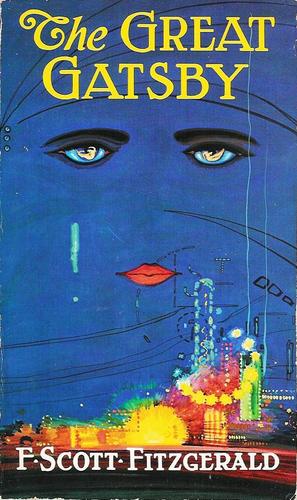
This week, in honor of the debut of the new film of The Great Gatsby, and of course the Stephen Colbert Book Club, which has made Fitzgerald's classic the #1 Bestseller on Amazon, Anne will be making the rounds talking about her own novel about a real-life Gatsby-obsessed con man, the Gatsby Game. ONLY 99c until the end of May!


On Monday, May 6th, THE GATSBY GAME will be featured at reviewer Donna Hole's blog. with an in-depth look at the real events that inspired the novel.
And I'll also be at Janet Boyer's Blog, giving my #1 piece of advice for new authors.

On Tuesday, May 7th, THE GATSBY GAME will be featured on The Cheap Ebook. Anne is going to be talking about the new film, and how she feels about a giving a contemporary soundtrack to the greatest story of the Jazz Age. She'll also be talking about the real Gatsby-obsessed man who inspired her novel.

On Thursday, May 9, I'll be talking about the real-life Hollywood mystery behind THE GATSBY GAME with Elaine Raco Chase at the Author's Corner at Triangle Variety Radio.


OPPORTUNITY ALERTS:


1) Win a free book cover makeover! Westin Lee's Cover Cleaning Contest. Are your sales sluggish? It could be your cover. In this fun contest—open to self published writers and writers with small presses who have permission from their publishers. There's an easy online form. But you've only got a week. Winner and runner up will be announced May 15th, so get going!!

2) The Saturday Evening Post’s Second Annual Great American Fiction Contest—yes, THAT Saturday Evening Post—is holding a short fiction contest. Could you join the likes of F. Scott Fitzgerald; William Faulkner; Kurt Vonnegut, Jr.; Ray Bradbury; Louis L’Amour; Sinclair Lewis; Jack London; and Edgar Allan Poe? $10 entry fee Deadline July 1, 2013

3) FREE book advertising to British readers from EbookBargainsUK Lots of authors and publishers have had huge successes with their free or sale books by advertising on BookBub, ENT, KND, POI, etc. But none of those target the UK, and their links go to US sites Brits can't use. But now there’s a newsletter for UK readers only. It links to all the big UK retailers like Apple UK, Waterstones and Foyles as well as Amazon UK. They don’t sell books direct or get paid for clickthroughs, so they don't have any restrictions on how many free books they can spotlight like BookBub and the others. So it's THE place to tell Brits about your book when it goes free or on sale in the UK. Since Brits have the highest number of readers per capita of any country in the world, this looks like a great idea to me: Plus: the site will be offering FREE book ads until May 31st, on a first come, first served basis.

And if you're in the UK, do sign up for their newsletter. It brings links to free and bargain ebooks—at the UK bookstore of your choice—in your inbox every morning. You can subscribe here.

4) The Lyttoniad contest for the WORST first sentence of a novel. The classic Bulwer-Lytton Contest makes news every year. Each entry must consist of a single sentence but you may submit as many entries as you wish. E-mail entries should be sent to Scott Rice at srice@pacbell.net in the body of the message, Ariel 12 font. One e-mail may contain multiple entries. Entries will be judged by categories, from “general” to detective, western, science fiction, romance, and so on. There will be overall winners as well as category winners. Deadline is June 30th. No prizes that I know of, but lots of admiration from your fellow writers.
Read More
Posted in Anne Rice review, Barry Eisler, Cyber-bullying, Groupthink, Hive Mind, Jaron Lanier, Joe Konrath, Kristen Lamb, Nathan Bransford, Porter Anderson, SheWrites, Social Lasers of Cruelty, Twitchforks | No comments

Sunday, 24 February 2013

Self-Editing 101—13 Questions to Ask Yourself about Your Opening Chapter

Posted on 09:48 by Unknown
This is usually Ruth's week to post, but she's busy proofing galleys of her much-anticipated new novel The Chanel Caper. And next weekend, I'll be busy teaching THE TECH-SAVVY AUTHOR workshop. So we switched. On March 3rd, look for Ruth's post on why we like a tough, flinty heroine.

OK, let's talk editing. Editing our own work can be tedious. And painful. But it's essential. A paid editor can only do so much. We need to do most of the heavy lifting ourselves.

I've recently gone back to an old, multi-rejected project in hopes I can get my new publisher interested. Now that Boomer Lit is an up and coming genre, I'd love to get my comic Boomer novel, The Ashtrays of Avalon out there to readers.

Revisiting the old manuscripts (I had about 14 versions—tip: don't do this) I had to forget about being an artist and put on my editor's hat. It's always hard to block emotional ties to a work and imagine how a publisher might see the manuscript.

As usual, the opening chapter took the most work.

Introducing your reader to your characters and your fictional world may be the single trickiest job a novelist has. You have to present a lot of information at the same time you're enticing us to jump into the story. If you tell us too much, you’ll bore us, but if you tell us too little, you’ll confuse us.

An editor I respect a lot once told me to write my last chapter first and my first chapter last.

It sounded a little crazy, but I later realized what he meant is that it's a lot easier to get story momentum if you know where it's going—something I didn't do with this book—and your first chapter is going to need so much polishing that you shouldn't dwell on it when you're writing that first draft.

That's because when a writer is first diving into a novel, we’re not introducing the characters to a reader; we’re introducing them to ourselves.

All kinds of information about your protagonist will come up. Maybe she lives in a noisy apartment building in an ethnic neighborood of a city with a fascinating history. And her next door neighbor is a professional dominatrix. Or she feels a deep hatred for Justin Beiber. This stuff will spill out in your first chapters. Let it. That’s the fun part.

But be aware you’ll want to cut most of that information or move it to another part of the book when you edit.

It helps to remember this formula: first drafts are for the writer; revisions are for the reader.

Even if you’re not going the agent/publisher route, you need to keep your reader in mind. Self-publishers are judged, too, and reviewers and readers can be snarkier than any agent.

Here are some questions to ask yourself that should help in the revision process.

1) Do you have a Robinson Crusoe opening? That’s when your character is alone and musing. Robinson Crusoe is boring until Friday shows up. So don’t snoozify the reader with a character:

• driving alone in a car/wagon/boat
• musing while traveling on an airplane/bus/coach/spaceship
• waking up and getting ready for the day
• out on a morning jog
• looking in the mirror

Especially looking in the mirror. It’s not wrong, but it’s seriously overdone. (Yes, I started my first novel this way. I think a lot of us do, especially if we're writing romance.)

The easiest way to show your MC to your reader is to show how he interacts with the world. Two or three other characters is ideal: not too many or the reader will be overwhelmed.

2) Is your opener bogged down with physical description of the characters, especially of the police report variety? All we know about Elizabeth Bennett in Pride and Prejudice is that she has “fine eyes.” We don’t have to be told height, weight or hair/eye color unless it illuminates character (see #3.) Let us know what kind of person he/she is and the reader’s imagination fills in the blanks.

Unusual characteristics like Nero Wolfe’s size, Hercule Poirot’s mustache, and Miss Marple’s age show who these characters are and make them memorable. But we don’t need to know the hair/eye thing unless the characteristic is important to the story—like Anne of Green Gables hating her hair and dying it green. (And can you believe the idiots who pictured her as a hot blonde in this new edition of the public domain book?)

3) Does your MC have a goal? Are you letting the reader know what it is? Characters need goals in each scene. But the protagonist needs one goal to rule them all—a compelling, over-arching objective for the whole book. He can’t be easily satisfied. He must need something very badly. This especially important for memoir writers: “I was born and then some stuff happened and I met some people and then I had a catastrophe but I pulled myself out of my misery and now I love life and God and multilevel marketing”—is not going to keep readers turning the pages.

A novel or memoir needs to be about one big thing, and the character has to have one big goal. Too many goals? You may have a series. Nothing wrong with that, but figure out what the goal is for this particular book.

4) Does your MC have strong emotions we can identify with in the opening scene? We don’t have to identify with the situation, but with the emotion: If the character is furious because his roommate keeps playing to As Long As You Love Me over and over—even if you’ve never heard of Justin Beiber you’ll identify with the anger, because everybody’s been angry.

5) Have you started with a POV character about to be killed? Or facing a challenge in a dream or videogame that turns out not to be real? If you get us intrigued and then say “never mind”, the reader will feel his time and sympathy have been wasted.

6) Do you introduce your MC as close to page one as possible? Don’t waste time on long weather reports or descriptions of the setting. Although that was a convention in classic novels, it feels like filler now. Modern readers want to jump into the story and get emotionally involved.

A line or two about the setting or atmospheric conditions will set the mood, but a modern reader doesn’t need the kind of long descriptions of exotic weather or far off lands that Victorians loved.  Even if we’ve never been there, we all know what London, or the Alps, or rain forests look like because we’ve seen them in films and on TV.

7) Does the chapter have the right tone and establish theme? You don't want to set up false expectations in your reader. If this is lighthearted chick lit, you don't want to start with a gruesome murder. You don't want chirpy dialogue at the beginning of your dark fantasy. If you're going to be dealing with a theme of climate change, drop in a few hints right away, like the penguins who just arrived on a Malibu beach. Or in psychological suspense, you can hint at the dark secrets of the hero's family with ominous noises coming from the basement or the locked door to the attic.

8) Does your MC come off as a Mary Sue? A Mary Sue (or Gary Stu) is the author’s idealized fantasy self—an ordinary person who always saves the day and is inexplicably the object of everyone’s affection. A Mary Sue will make your whole story phony, because a too-perfect character isn’t believable (and is seriously annoying.)

9) Do we know where we are?  If the MC is thinking or talking to someone—where is he? As I said, we don’t want a long description of the scenery or the weather, but let us know what planet we’re on.

10) Have you started with dialogue? Readers want to know who’s speaking before they’ll pay much attention to what they say.

It’s just like real life: if strangers are shouting in the hallway, it’s noise. If you recognize the shouters as your boss and that dominatrix next door—you’re all ears.

11) Have you kept backstory to a minimum in your opener? Backstory can be dribbled in later in thoughts, conversations and mini-flashbacks—AFTER you’ve got us hooked by your MC and her story.

12) Have you plunged into action before introducing the characters? The introductions can be minimal, but they have to make us feel connected enough to these people to care

Example: If you hear some stranger got hit by a car—it’s sad, but you don’t have much curiosity about it. If you hear that dominatrix got hit bu a golf cart driven by a guy who looked like your boss, you want to know when, where, how...now!

13) Is that prologue REALLY necessary?  

Sigh. I've got one in that novel I'm revising. Yup. I've got a dreaded prologue and I sent the book to my editor with it intact.

But the manuscript was also rejected more times than any sane person would want to admit. One of the biggest reasons agents gave? The prologue.

If you have a prologue and you want to go the agent route, it's best to rethink. If you're self-publishing, you can take your chances with your readers. If you're with a small press--well, my editor hasn't let me know if I can keep it yet.

Here are some reasons why agents hate prologues

• People skip them.

• The reader has to start the story twice. Just as she’s getting into the story, she’s hurled to another time or place, often with a whole new set of characters. Annoy a reader at your peril.

• When an agent or editor asks for the first chapter—or you have a preview of the book on Amazon—you’ve got a major dilemma.  Do you send the actual chapter one—where the plot starts—or that poetic prologue?

• Agents hates the prologueses, precious, yesss:

From former agent Colleen Lindsay:
“In pages that accompany queries, I have only once found an attached prologue to be necessary to the story.”

From agent Jenny Bent:
“At least 50% of prologues that I see in sample material don't work and aren't necessary. Make sure there's a real reason to use one.”  

From agent Ginger Clark:
“Prologues: I am, personally, not a fan. I think they either give away too much, or ramp up tension in a kind of "cheating" manner.”

From agent Andrea Brown:
 “Most agents hate prologues. Just make the first chapter relevant and well written.”

From agent Laurie McLean:
 “Prologues are usually a lazy way to give backstory chunks to the reader and can be handled with more finesse throughout the story. Damn the prologue, full speed ahead!”

Even usually ultra-tactful publishing guru Nathan Bransford says:
 “A prologue is 3-5 pages of introductory material that is written while the author is procrastinating from writing a more difficult section of the book.” 

Ouch.

I know you’re all wailing. But try removing the prologue. Read chapter one. Does it make sense? Could you dribble in that backstory from the prologue into the story later—while the actual plot is going on?

A prologue can sometimes be like a first draft—something for the writer, not the reader. Not the overture, but the tuning-up. Like a character sketch, a prologue usually belongs in your book journal—not the finished project.

Go ahead and write one to get your writing juices flowing. Use it to get to know your book’s basic elements. It can be mined later for character sketches, backstory and world building, but try to cut it in your final revision.

But I know. Sometimes you can't. I couldn't.

So what about you, scriveners? What do you want to read about a character first off? What makes you want to go on a journey with this character? What do you find difficult about introducing a character?


And the free tickets go to....

Random.org has spoken and the winners of two free tickets to the March 2nd TECH-SAVVY AUTHOR seminar I'm teaching with author Catherine Ryan Hyde, screenwriter/radio star Dave Congalton and a host of other tech-savvy folks are:

1) Janice Konstantinidis

2) David Schwab

Congrats, Janice and David!

Places are still available. More info in the "Opportunity Alerts" below.


Opportunity Alerts: 


1) BiblioPublishing is looking for submissions of out-of-print or new books for publication through their small press. This 25-year-old press (formerly called The Educational Publisher) is branching out from educational books to other nonfiction and selected fiction. They're especially looking for self-help and sci-fi. They provide cover design, formatting and distribution, but ask your ms. be pre-edited. They publish in print as well as all ebook formats.

2) $2000 Grand Prize. NO entry fee. Call for Entries—The Flying Elephants Short Story Prize, sponsored by "Ashes & Snow" artist Gregory Colbert. AndWeWereHungry, a new online literary magazine, seeks literary short stories for its debut issue fiction contest. THEME: "And We Were Hungry....," or "Hunger." For isn't it, to quote Ray Bradbury, hunger or "lack that gives us inspiration?"  Prize: One grand prize ($2000) + three finalists (each $1,000) + eight runner-ups. Deadline: March 31, 2013.

3) Interested in having your short fiction recorded for a weekly podcast?There’s no pay, but it’s fantastic publicity if your story is accepted by SMOKE AND MIRRORS. They broadcast about three stories a week. Spooky, dark tales preferred. No previous publication necessary. They judge on the story alone.

4) Cash prizes for flash fiction. The San Luis Obispo  NIGHTWRITERS are holding their annual 500-word story contest. Anybody from anywhere in the world is welcome to enter. Prizes are $200, $150 and $75. This is a fantastic organization that boasts a number of bestselling authors among their members, including Jay Asher, Jeff Carlson, and moi. (Well, some sell better than others :-) ) Deadline is March 31st.

5) Tech-Savvy Author Workshop: If you live on the Central Coast of California and you’re interested in learning about blogging, building platform and everything a 21st Century author needs to know, Anne will be teaching at a seminar called THE TECH SAVVY AUTHOR with Catherine Ryan Hyde, screenwriter and radio personality Dave Congalton and a whole crew of smart techie folks on March 2nd. Students get in for half price.

6) FREE BOOK!!! FREE on Amazon Feburary 24-28. Jane Austen meets Little House on the Prairie  ROXANNA BRITTON, a biographical novel about a real pioneer of the American west. The author is Shirley S. Allen, author of the bestselling mystery Academic Body and retired professor of creative writing from the University of Connecticut. (Also Anne's mom.) It's a delicious page-turner and a slice of real history based on family records and stories. Roxanna Britton was Anne's great, great, grandmother. This book is now available in e-book with a lovely new cover! This your chance to read it free.

Free! Jane Austen meets Little House on the Prairie


This week Anne is visiting Alex South at Alex South's blog, Ten Stories High.  for his "ten questions" interview.

And our blog has been nominated for "Most Useful Blog" in the Paying Forward Contest. You can vote for us--and your favorites in many categories at the above link. Thanks for the nomination, Misha!
Read More
Posted in how to start a novel, Laurie McLean, Mary Sues, Nathan Bransford, prologues, Robinson Crusoe openings, Roxanna Britton, Self-Editing, Shirley S. Allen, Tech-Savvy Author winners | No comments

Sunday, 16 September 2012

Writers Conferences: Are they Relevant in the E-age?

Posted on 09:52 by Unknown


 Oh, the lure of a Writers' Conference! A luxurious place where writers can polish craft, learn the latest publishing trends and hang with successful authors, agents and publishers--undistracted by mundane life.

It's a mini-university course that just might get you published.

With parties.

The modern writers conference began in the U.S. in the 1920s with Vermont's famous Breadloaf Conference, but you can now find them all over the world. They last from a day to several weeks, usually in an exciting or idyllic location.

But they can cost a hefty chunk of change. And at some of the bigger conferences you get a chance to book a personal pitch session with an agent—for even more money.

So are expensive conferences a shortcut to publishing success? Are they still relevant? What role does the writers’ conference have in this fast-changing publishing world? 

Most agents and editors do recommend them. Many suggest attending a conference or two before even sending a query.

But these days, a lot of writers are bypassing the endless, frustrating agent-hunt system and going indie—either with small presses (once called indie) or self-e-publishing (the new definition of indie.) They’re totally over the whole idea of pitching to agents.

So conferences are catching up with the trend, and now provide more than just a course in traditional publishing. California's Central Coast Writers Conference, where I'll be teaching this weekend,  featured Smashwords founder Mark Coker last year. And I read this week about the conference in York, England where Irish e-publishing guru David Gaughran and indie chick-lit superstar Talli Roland gave a joint workshop for self-pubbers. 

Is a conference worth your time and money in the electronic age? Can't you get all of David Gaughran's advice in his book Let's Get Digital and learn from Talli at the Writers Guide to E-publishing?

Yes, you can--but real-world conferences have many other benefits. As a veteran of over a dozen, I can say each one was worthwhile for me—not because they helped me land an agent or publisher. But I got some solid instruction in how the industry works, plus some painful reality checks and a couple of ego boosts--and  most importantly, I met great people.

I first got to know my co-author Catherine Ryan Hyde at a conference. I never would have dreamed back then that the author of Pay it Forward would ever want to co-write a book with me, and I'm sure she didn't suspect it either. But as both our careers have grown, we stayed in touch.

I've also had a chance to hang out with my idol, the ever-classy Nathan Bransford, and share wine with super-savvy "Agent Savant" Laurie McLean and get to know Danielle Smith, the Book Review blogger I knew from "There's a Book" (I had no idea she was my neighbor.) I also met dozens of wonderful not-yet-published authors. We scriveners are solitary animals, so connecting with members of our species in the real world helps keep us healthy.

But for those of you who can't afford to go to a conference this year, you can find a mini-writers' conference in the book I wrote with Catherine, HOW TO BE A WRITER IN THE E-AGE...AND KEEP YOUR E-SANITY. Which will be FREE for Friday and Saturday this week.


The E-Book Will Be FREE Sept 21-22!
The paper book is now available from Amazon.com for under $10, and under £8 in the UK . And the ebook for Kindle will be absolutely FREE on Friday September 21st and Saturday, September 22nd in both the US and the UK  (In October, it will be available for Nook and Kobo.)

We wanted to make the book free for people taking my course at the Central Coast Writers Conference--so we're also making it free for all of you!

So even if you can't come to beautiful San Luis Obispo for this weekend's conference, you can have a FREE virtual conference for your Kindle or computer's Kindle app. 

But be aware that Writers’ Conferences come in all shapes and sizes—and one size does not fit all. Here are the basic categories you’ll have to choose from:

1) Scenic-Destination Literary Retreats

These can last a week or two and are the Maseratis of conferences. Held in lush resorts and exotic locales, they offer workshops from literary superstars and MFA professors. The emphasis is on Literature with a capital “L”, and applicants can be screened with Ivy League selectiveness.  

But some turn out to be more like fantasy camps for Scott and Zelda wannabes than training grounds for professional writers. I’ve heard it’s cleaned up its act, but the revered Breadloaf Conference is also known as “Bedloaf” for a reason. In a famous 2001 article for the New Yorker, Rebecca Mead said, “The triple compulsions of Bread Loaf have, traditionally, been getting published, getting drunk, and getting laid.”

These big, luxurious conferences seem to be faltering in our belt-tightening age. The Maui Writers Conference has disappeared, and he grand old Santa Barbara Writer’s Conference—where I got to stroll on gorgeous beaches between lectures by the likes of Charles Schultz and Ray Bradbury—went on hiatus for a few years. Although I see it is reinventing itself and sprang back to life in 2012 as our economy recovers.

If you ever have a chance to go one of these, and money is no object, you’ll probably have a memorable time. I’ve heard the one in San Miguel de Allende is fantastic.

But will these fabulous vacations help you get a book published? Probably not.

2) National Genre Organization Conferences

These usually run three to five days and serve as the annual meetings of national organizations for writers of genre fiction like Mystery, SciFi/Fantasy, Christian, Children’s, Romance, etc. With professional organizations like RWA, MWA, SCBWI, SFWA you have to become a member of the organization to attend. Others, like Bouchercon and Left Coast Crime are for readers and fans as well as writers. Some are moveable feasts that set up camp in a different large city each year and others, like Washington D.C.’s Malice Domestic, have a permanent home.  

These aren’t cheap, especially if you don’t happen to live in the city where they’re held, but they often provide a crash course in the publishing business in your particular area of the market. You’ll also have a chance to meet agents who are specifically looking for books in your genre.

One of the most important aspects of these national conferences is the awards. Being a finalist for an Anthony, Agatha, Nebula, or RITA award can make a career.

3) The Intensive Big-City Weekend Conference

More and more conferences are of this type—equally emphasizing “craft, commerce, and community” as the San Francisco Writer’s Conference advertises. Like the genre conferences, these are usually held in big city hotels.

The conferences themselves will probably cost between $600-$800, but on top of that you may have pitch-session and extra-workshop fees—and of course, your hotel bill. (And the tab from the bar from the night you tried to schmooze that agent.)

These can be exhausting and stressful—agent Betsy Lerner says she usually walks away from a conference “quasi-suicidal”—but you’ll meet fascinating people, learn a lot about the business, and the agent you treated to all those shots of single malt may remember you when you send your query.

4) Marketing Seminars

You’re not going to get any get-in-touch-with-your-muse writing workshops here. They’re all about selling.

a) Agent pitch-a-thons. New York’s Backspace Agent-Author Seminar is the pioneer in this cut-to-the-chase style conference, where you get “two full days of small-group workshops and panels with ONLY literary agents on the program.” At $500+, it’s a little pricey, but if you’re shopping for an agent, this is the place to meet them up close and personal.

b) “Boot Camp” sales-motivation talks. Some marketing conferences are mostly marathon sales pitches by direct marketers. These may have “boot camp” or “university” or “summit” in their name. They tend to be less like writers’ workshops and more like Amway Conventions or “Become a Real Estate Zillionaire with No Money Down” lectures. Their websites are often flashy and loud—and their approach is hard-core/hard-sell. Personally, I recommend staying away from these.

5) The Small Regional Conference: These are usually held at a local college campus and aimed at authors who can commute from home. Often they're aimed at a particular genre. They usually last no more than three days and are timed with the assumption the attendees have day jobs. They tend to be considerably less expensive and offer a lot of bang for your buck. The Central Coast Writers Conference has hosted great speakers like Nathan Bransford, Catherine Ryan Hyde, and Mark Coker. Because only a few hundred people attend, you get a chance for one-on-one chat with them.

If you want to learn more about specific conferences check out the Shaw Guide to Writers Conferences.

And if you do go, here are some tips to help you get the most out of your experience:

1) DON’T dress to impress. At one conference I attended, a woman came dressed as a tree. Shedding real leaves. Don’t do this. Also, dressing as one of your characters WILL get you noticed, but not in a good way. Wear neat but comfy clothes. The days will be long and intense.

2) DO wear something distinctive: a scarf, hat, or jacket every day that will help people remember you.

3) DON’T pitch your project unless you’re in a specified pitch session. (Especially when the pitch comes from the next stall in the ladies’ room. Don’t do this. Agent Janet Reid posted this hilarious video on how not to pitch a book at a conference.)

4) DO offer to get an agent or other presenter a cup of coffee or ask how she’s enjoying the conference. Or ask what books he reads for fun. It will give you great material for your query letter.

5) DON’T cart around all 800 pages of your magnum opus and try to thrust it upon faculty members. Something that can be helpful—if requested—is what’s called a “one sheet”. It’s mostly a convention in the Christian book world, but it’s useful for any kind of book gathering. It’s a printed page with your photo, bio, contact info and a short pitch for your book including word count, genre, target audience and short synopsis.
 
6) DO perfect your pitch beforehand, so you can tell an agent or editor in three sentences what your book is about. (See my post on “Hooks Loglines and Pitches.”) Then ask if you can query. (If you’re querying a novel or memoir, make sure to say if it’s complete.) If she says yes, you can put “REQUESTED” in the email header. A big plus.

7) DON’T compete for faculty attention like a needy two-year old. The accolades will come when you perfect that book and get into print.

8) DO bring a notebook, several pens—and if you are attending a hands-on critique session workshop—a first chapter, story, or a few poems. Business cards, if you have them, will help with networking. Also, bring some protein bars and energy drinks and/or water. Your breaks may be too short to grab real food.

9) DON’T forget to have fun. You’re there to make friends as well as learn. One of the most important aspects of a conference is meeting fellow writers.

10) DO remember agents and editors are people too. As the late, great Miss Snark said “It’s like visiting the reptile house. They're as afraid of you as you are of them. Honest.”

I should warn that writers' conferences do have their dark side. I've seen a few instances of  bullying and verbal abuse. Some workshop leaders seem to think "tough love" (skipping the "love" part) is the best way to teach a fledgling writer to produce great prose. Editor Victoria Mixon wrote a series of blogposts on bad writers' conference experienceslast month that's hilarious.

And at one conference, I witnessed an incident of workshop bullying that was so scarring it turned into the inciting incident of my mystery GHOSTWRITERS IN THE SKY. (If you'd like to know more about the dark side of writers conferences--and laugh at them a bit--GHOSTWRITERS is available at the US Amazon.com for $2.99 and the UK Amazon.co.uk and at Barnes and Noble for Nook and Kobo.)

How about you, scriveners? Have you had good or bad experiences with writers' conferences? Were they worth the money? We'd love if you'd share some of your stories. If you've never gone to one, are you planning to? What do you hope to get out of it?

Attention Email Subscribers! Feedburner has had a hissy fit and is no longer sending emails to many people subscribed to this blog. This seems to be happening all over the blogosphere. Many bloggers are switching to other email programs, but I'm such a cybermoron, I'm going to need to get some tech help. Meanwhile, if you'd like to get notifications of new blogposts, and Feedburner has let you down, just send me an email at annerallen at yahoo dot com. I will put you on my list of personal blogfriends and send you a notice when the Sunday blogpost is up. (I promise not to spam you with anything else.)
Read More
Posted in Catherine Ryan Hyde, Central Coast Writers Conference, David Gaughran, How to Be a Writer in the E-Age, Janet Reid, Nathan Bransford, Shaw Guides, Talli Roland, Victoria Mixon, Writers' Conferences | No comments
Older Posts Home
Subscribe to: Posts (Atom)

Popular Posts

  • The Rules of Writing...and Why Not To Follow Them
    Somerset Maugham famously said, "There are three rules for writing. Unfortunately, nobody knows what they are." But pretty much ev...
  • Wimpy Kid Eats George Bush’s Lunch
      Last week George W. Bush’s memoir gave Random House their best opening day sales in seven years—170,000 print copies. BUT—on the same day,...
  • The Secret Writing Rule Book…and Why to Ignore It
    Somerset Maugham famously said, "There are three rules for writing. Unfortunately, nobody knows what they are." But pretty much ev...
  • Why You Should be Writing Short Fiction
    Update: I'm so pleased this post has had thousands of hits over the last year and is energizing so many writers to take up short fiction...
  • Friday the 13th
    I'm starting a blog on Friday the 13th. What does that say about me? Am I thumbing my nose at superstition, or commencing an exercise in...
  • 12 Dos and Don'ts for Introducing your Protagonist
    Welcome all my new followers. And thanks for all the comments! This weekend I spoke at a local workshop for the mystery writers group, Siste...
  • HOW DO YOU KNOW YOU’RE REALLY A WRITER?
    Ever get the “OMG I’m-not-really-a-writer, why-am-I-kidding-myself” blues? Agent Nathan Bransford calls them the “Am-I-Crazies.” Most of us ...
  • NaNoWriMo—Should You Join in the Silliness? 9 Reasons to Consider it.
    F irst: full disclosure—I've never NaNo'ed. I'm a slo-o-o-w writer. My editor despairs. I've got a new Camilla Randall myste...
  • How to Blog VI: 15 Tips for Guest Bloggers
    Guest posting on blogs is a great marketing tool. The frenzy for blog tours seems to have quieted down a bit  recently, but whether you’re l...
  • 12 MYTHS ABOUT GETTING PUBLISHED
    When you’re a beginning writer, you’re likely to get bombarded with advice from all quarters—your family, your friends, your hairdresser, an...

Categories

  • 'textr
  • #QueryFail
  • #zombiefail
  • $13 e-reader
  • 10 thousand-hour rule
  • 20 Master Plots
  • 20th Century Woman
  • 21st Century prose
  • 21st Century writing
  • 3:17 AM
  • 7 Basic Plots.
  • 99 cent book bubble
  • 99-cent e-books
  • A Christmas Carol
  • A Midsummer Night's Dream
  • A.J. Sykes
  • AbFab
  • Absolute Write
  • Academic Body
  • Achieving your writing goals
  • Adele McAlear
  • Adventures in Children's Publishing
  • advice for nonfiction writers
  • advice for writers
  • advice on craft
  • Advice to writers
  • agent
  • agent blogs
  • Agent Jenny Bent
  • Agent Laurie McLean
  • agent Meredith Barnes
  • Agent rejection
  • Agent Sara Megibow
  • Agent Savant
  • agent scam
  • AgentQuery
  • AgentQuery Connect
  • AgentQueryConnect
  • Aisha Iqbal
  • Alan Rinzler
  • Alex J. Cavanaugh
  • Alexa Ratings
  • algorithms
  • Alice Walker
  • Alicia Street
  • Alison Tait
  • All Fall Down
  • Amanda Hocking
  • Amanda Katz
  • Amanda McKittrick Ros
  • Amazon
  • Amazon Book of the Month
  • Amazon buy page
  • Amazon categories
  • Amazon monopoly
  • Amazon publishing imprints
  • Amazon Review Guidelines
  • Amazon review removal
  • Amazon reviews
  • Amazon rules
  • Amazon Singles
  • Amy Riley
  • Andrea Brown
  • Andrew Loog Oldham
  • AndWeWereHungry
  • Ann Best
  • Ann Carbine Best
  • Ann Lamott
  • Ann Patchett
  • Anne Gallagher
  • Anne R. Allen
  • Anne R. Allen. SLO Nightwriters
  • Anne Rice review
  • Anne Schroeder
  • Anonymice
  • Antagonist
  • Anthologies
  • Apple Store
  • Author abuse
  • Author bio
  • author branding
  • Author Collectives
  • Author Platform
  • Author power
  • Author scams
  • author websites
  • Author's Guild
  • Awesome Screenshot
  • Back Matter
  • bad reviews
  • Bantam
  • Barbara Rogan
  • Bargain Ebook Newsletters
  • Barnes and Noble
  • Barry Eisler
  • Bear State Books
  • Beating the Breakdown
  • Beginning Novelist
  • being yourself on purpose
  • Beniot Lelievre
  • Benoit LeLievere
  • Benoit Lelievre
  • Berkley Heat
  • Best Damn Creative Blog
  • Best Damn Creative Writing Blog
  • Best links for writers
  • bestseller lists
  • beta readers
  • Betty Jo Stevenson Rides Again
  • Big 6 editor
  • Big 6 publishers
  • Big 6-5-4
  • Big Boss Troublemaker
  • Big Publishing
  • Big Six
  • Big Six editors
  • Big Six publishers
  • Big Six publishing
  • Big Six rules
  • Bing
  • Bit.ly
  • Black Balloon Publishing
  • Blake Morrison
  • Blame the Writer
  • Blog a book
  • Blog community.
  • blog followers
  • Blog hop
  • blog kudos Kittie Howard
  • blog of the week
  • Blog tour
  • Blogfests
  • Blogger having technical problems
  • Blogger sux
  • Blogging
  • blogging awards
  • blogging for authors
  • blogging pitfalls
  • blogging rules
  • blogging tips
  • Blogging tips for writers
  • Bloghops
  • blogs
  • Blurbs
  • Bob Mayer
  • bogus agents
  • bogus writing contests
  • Book Blogger
  • book bloggers
  • book doctors
  • book editing
  • book launch party
  • Book Luvin’ Babes
  • Book Marketing
  • Book review blogs
  • book reviewers
  • Book Reviews
  • Bookalicious Pam
  • BookBaby
  • BookBub
  • BookCountry.com
  • Bookends LLC
  • BookTour.com
  • Boomer Lit
  • BoomerLit
  • Boomers
  • Borders
  • Brainwashed
  • Brave New Trail Conference
  • building platform
  • Bullying
  • Burnout
  • Burt Reynolds
  • Butterfly Syndrome
  • C. Hope Clark
  • C. S. Perryess
  • Calibre
  • Camilla Randall mysteries
  • Camille LeGuire
  • Can You Use Song Lyrics in Novels
  • Canadian comedians
  • CAPTCHA
  • Careful or You'll End Up in My Novel T-shirts
  • Casey McCormack
  • Casey McCormick
  • Castle
  • Cathe Olson
  • Catherine Ryan Hyde
  • CC Coast Writers Conference
  • Censorship
  • Central Coast Sisters in Crime
  • Central Coast Writer’s Conference
  • Central Coast Writers Conference
  • Chanel and Gatsby
  • Charity Anthologies
  • cheap ebooks
  • Cheryl Shireman
  • Chick Lit is Not Dead
  • Chick Lit News and Reviews
  • Chocolate
  • Chris Baty
  • Christine Ahern
  • Christmas books
  • Christopher Moore
  • Chuck Wendig
  • Church of the Flying Spaghetti Monster
  • Clarissa Draper
  • Claude Nougat
  • Colleen Lindsay
  • Colonel Baker's Field
  • Colorado Tragedy
  • Columbia College Chicago
  • comedy-mystery
  • comic thriller
  • Compose magazine
  • Connie Brockway
  • Consuelo Saah Baehr
  • Consuelo Saah Baer
  • coping with rejection
  • Copyright
  • Copyright laws
  • copyright your plot
  • Courtnee Howard
  • cozy mysteries
  • Crash into You
  • Crazy-Makers
  • Creating memorable characters
  • creative writing courses
  • creativity
  • Crime Writers of Canada
  • critique groups
  • critique groups and criticism
  • critiquecircle.com
  • Cyber-bullying
  • cyberbullies
  • Cyberbullying
  • Cybermen
  • D. G. Sandru
  • D.D. Scott
  • Dallas Morning News
  • Dani Amore
  • Danielle Smith
  • Dave Congalton
  • David Fagin
  • David Gaughran
  • David Streitfeld
  • David Whiting
  • DC Stanfa
  • DD Scott
  • Dean Wesley Smith
  • Death and Digital Legacy
  • Death of the American Author
  • Death of the Big 6
  • Decades
  • Delilah S. Dawson
  • Depression and Writers
  • Derek Haines
  • Derico Photography
  • developing your writing style
  • DGLM
  • Digital Age Authors
  • Digital Age E-Authors
  • digital paper
  • Do authors need to blog
  • Do I need an agent? platform
  • do’s and don’ts for writing a memoir
  • Does my writing suck? Anne R. Allen
  • DoJ lawsuit
  • Don't Let Me Go
  • Donelle Lacy
  • Donna Fasano
  • Donna Hole
  • Dorothy Parker
  • Double Feature
  • Douglas Rushkoff
  • Dr. Martha Stout
  • Dr. Who
  • Dream-smashers
  • Dreams do Come True
  • Dreams vs. goals
  • Duolit
  • E-Book Revolution
  • e-readers
  • E. M. Forster
  • Ebook Marketing
  • eBook pricing
  • Ebook revolution
  • ebookbargainsuk
  • EBUK
  • ECollegeFinder Top Writing Blog
  • Edit Ink scam
  • Editing
  • Editor David Blum
  • editor Jamie Chavez
  • Elaine Raco Chase
  • Elisa Lorello
  • Elizabeth Ann West
  • Elizabeth Joss
  • Elizabeth S. Craig
  • Elizabeth Spann Craig
  • Emily Cross
  • English major
  • English speakers in India
  • episodic storytelling
  • Eric Feldon
  • Erica Jong
  • Erotica
  • Escargot Books
  • Evernote
  • Facebook
  • Facebook Other Folder
  • Fair Use
  • Fall into You
  • Feedburner
  • Fiction Groupie
  • Fiction writers
  • Fight Depression
  • Finger Lickin’ Dead
  • firing an agent
  • first chapters
  • First Rights
  • fixes for a stalled novel
  • Flipboard
  • Food of Love
  • Foreword Literary
  • Frazzled
  • free books
  • free ebook give-away
  • Free Elements of Style
  • free online resources for writers
  • Freelance book editors
  • Front Matter
  • Funds for Writers
  • Fussy Librarian
  • Future of bookstores
  • Future of publishing
  • Gabriele Lessa
  • GalleyCat
  • Gary Canie
  • Gary Trudeau
  • Gatekeepers
  • Geek-chic
  • Gerry McCullough
  • getting out of your own way
  • Ghostwriters in the Sky
  • GIFs
  • Ginger Clark
  • Glimmer Train
  • Golden Age of Publishing
  • Goodbye Emily
  • Goodreads
  • Google Authorship
  • Google+
  • GooglePlay
  • Gordon Wornock
  • grammar lessons
  • Grammar nerds
  • Gravatar.com
  • Groupthink
  • Guest blogging
  • Hate Facebook
  • Hire an Editor
  • history of the novel
  • Hive Mind
  • holiday gifts for Grandma
  • Holli Moncrieff
  • Hollywood scandal
  • Homer
  • Hooked
  • Hope Clark
  • How to be a Writer in the E-Age
  • How Do I Know I'm a Writer?
  • how much should you pay a book editor
  • how not to blog
  • how not to pitch to agents video
  • how not to publish
  • How not to spam
  • How Not to Start a Novel
  • How to barf a book
  • How to be a good blog guest
  • how to be a successful author
  • How to be a Writer
  • How to Be a Writer in the E-Age
  • How to be Googleable
  • how to blog
  • how to deal with negative reviews
  • How to deal with rejection
  • How to edit your own work
  • How to find a publisher
  • How to find plot ideas
  • How to get a book published
  • How to get an agent
  • How to get your book rejected
  • how to get your book reviewed
  • how to pitch a book
  • How to prepare a manuscript
  • how to publish a memoir
  • How to publish a novel
  • How to Query
  • How to Query a Blogger
  • How to query a book blogger
  • how to query a book reviewer
  • how to sell on Amazon
  • How to sign up for Google+
  • how to start a blog
  • how to start a novel
  • How to stay safe online
  • How to Tweet
  • how to write
  • How to write a bestselling novel
  • how to write a blurb
  • how to write a book product description
  • How to Write a Damn Good Novel
  • how to write a memoir
  • how to write a novel
  • how to write a novel based on real life
  • how to write a synopsis
  • How to write an Amazon review. Amazon star ratings. Jeff Bezos
  • How to Write Better
  • how to write blog headers
  • how to write funny
  • how to write memoir
  • How to write memorable fiction
  • Hugh Howey
  • humor
  • humor writing
  • humorous mystery
  • Husbands and Lovers
  • I Hate Trends
  • IBBA Awards Finalist
  • Imagine: How Creativity Works
  • inciting incident
  • independent bookstores
  • India Drummond
  • indie authors
  • Indie bookstores
  • Indie Chicks Anthology
  • Indie or Traditional Publishing?
  • indie publishing
  • Indies Unlimited 10 Best Blogs for Indie Authors
  • Indiestructible
  • Insecure Writers Support Group
  • Insult Ferrets
  • International Ebook Markets
  • Internet bullying
  • Internet trolls
  • iPad
  • ISBN
  • J. A. Konrath
  • J. K. Rowling
  • J.K. Rowling
  • Jack King
  • Jacqueline Susann
  • James Frey
  • James N. Frey
  • James Patterson
  • Jami Gold
  • Jane Friedman
  • Janet Reid
  • Janice Hardy
  • Jaron Lanier
  • Jason Kong
  • Jeff Carlson
  • Jenna Glatzer
  • Jennifer Weiner
  • Jenny Bent
  • Jeremy Duns
  • Jess Walter
  • Jesse Stone
  • Jessica Bell
  • Jill Corcoran.
  • Jill Metcalf
  • Jim McCarthy
  • Joanna Harris
  • Joanna Penn
  • Joanne Tombrakos
  • Joe Konrath
  • Joel Friedlander
  • John Allen
  • John Green
  • John Locke
  • John Updike
  • Johnny Base
  • Jon Morrow
  • Jonah Lehrer
  • Josh Swiller
  • Judy Salamacha
  • Julia Cameron
  • Julie Luek
  • Jumpstart the World
  • Justin Cronin
  • Jutoh
  • Karen McQuestion
  • Karin Cox
  • Katheryn Smith
  • Kathleen Duey
  • Kathleen Valentine
  • Kathryn Rusch
  • Kathy Carmichael's pitch generator
  • Katie the book-eating dog
  • KDP Select
  • Keeping your sanity
  • Keith Blount
  • Kevin Spacey
  • Kiana Davenport
  • Kick-ass heroines
  • Kill Your Darlings
  • Kill your television
  • Killing Cupid
  • Killing the Blues
  • Kim Wright
  • Kindle
  • Kindle authors
  • Kindle bestseller
  • Kindle books
  • Kindle ebooks
  • Kindle Millionaires
  • Kindle Nation
  • Kindle publishing
  • Kindle Serials
  • Kindle Singles
  • Kindlegen
  • Kindlegraph
  • Kirkus
  • Klout
  • know your genre
  • Kobo
  • Konrath
  • Kris Rusch
  • Kristen Lamb
  • Kristen McLean
  • Kristin Lamb
  • Kristin Nelson
  • kudos
  • L.B. Gschwandtner
  • L.L Barkat
  • Landing a Book Contract
  • landing an agent
  • Larsen-Pomada Agency
  • Laura Morrigan
  • Laurie McLean
  • Lawrence Block
  • Learn to be a ghostwriter
  • learning to fail
  • Lee Goldberg
  • Leslie Kaufman
  • Lexi Revellian
  • Lila Moore
  • Liliana Hart
  • Lindsay Lohan
  • Lisa Perrat
  • Lisbeth Salander
  • Listening to your heart
  • Literary agents
  • Literary genres
  • literary journals
  • Literary Lab
  • Literary Rambles
  • logline
  • loglines
  • long tail marketing
  • Louise Voss
  • Love and Money
  • Love in Mid Air
  • LR Richardson
  • Luddite
  • Lydia Sharp
  • Mac Tonnies
  • Mad Men
  • Mainak Dhar
  • Malcolm Gladwell
  • Man in the Cinder Clouds
  • Marcia Richards
  • Mariano Rivera
  • Marissa Meyer
  • Mark Billingham
  • Mark Chisnell
  • Mark Coker
  • Mark Edwards
  • Mark Williams
  • Mark Williams International
  • Mark Williams international Digital Publishing
  • Mark Zuckerberg
  • Marketing
  • Martini Madness
  • Mary Sisson
  • Mary Sues
  • Mary W. Walters
  • Matthew Scudder mysteries
  • Mean Girls
  • Meghan Derico
  • Meghan Ward
  • Melodie Campbell
  • Meme
  • memes
  • memoir or fiction
  • memoir writing
  • Mental toughness
  • Meredith Barnes
  • Metadata
  • Michael Brandman
  • Michael Chabon
  • Michael Harris
  • Michael Murphy
  • Michael Ventura
  • Michelle Davidson Argyle
  • Micropresses
  • Mid-Sized Publishers
  • Miss Snark
  • missing Amazon reviews
  • Modern Women
  • Monarch
  • Monetize your blog
  • Montlake Romance
  • Morgen Bailey
  • mss.
  • MWiDP
  • My WANA
  • mystery meat navigation
  • Mystery Writing is Murder
  • Nancy Andreasen
  • NaNoWriMo
  • nasty book reviews
  • Natalie Whipple
  • Nathan Bransford
  • Nathan Fillion
  • National Novel Writing Month
  • Neil Vogler
  • New York Review of Books
  • New York Times bestseller
  • New York Times Book Review
  • newbie advice
  • news
  • Newsetters
  • Nick Hornby
  • Night of the Living Dead
  • Nina Amir
  • Nina Badzin
  • Nisus
  • no new stories
  • No Place Like Home
  • Nook
  • Nora Roberts
  • Notes from Underground
  • Novel structure
  • Nuclear testing
  • NYT Book Reviews
  • Office of Letters and Light
  • Olivia Lewis
  • On the Island
  • Open Education Database
  • opportunities for writers
  • Oprah's Happiest Town
  • Orna Ross
  • overdone plots
  • Overrride: a Thriller
  • paid reviews
  • Pam Van Hylckama Vleig
  • Pam van Hylckama Vlieg
  • pantser vs. planner
  • Park Avenue Series
  • Passive Guy
  • Passive voice
  • Passive writing
  • Past perfect tense
  • Path to Publication
  • Paul Fahey
  • Paul Laity
  • Pay it Forward
  • Paying it Forward
  • PeerIndex
  • Penguin House
  • Peter Ginna
  • Pippa Middleton’s Pilates Coach
  • Plantagenet Smith
  • Plato
  • plot boards
  • Poets and Writers
  • Popcorn Press
  • PopularSoda.com
  • Porter Anderson
  • Posthuman Blues
  • Pottermore
  • Preditors and Editors
  • Prentiss Ingraham
  • Press 53
  • procrastination
  • Product Description
  • professional writers
  • prologues
  • proofreading
  • Protagonist
  • Prue Batten
  • pseudonym
  • pseudonyms
  • psychology for writers
  • Public Domain
  • Public Query Slushpile
  • PublishAmerica
  • Publisher rejections
  • Publisher's Lunch
  • Publisher's Weekly
  • publishing
  • Publishing alternatives
  • publishing business
  • publishing in 2013
  • Publishing Industry
  • publishing news
  • publishing rules
  • Publishing scams
  • publishing trends
  • query
  • query hell
  • query letter
  • Query Shark
  • Query Tracker
  • QueryTracker
  • Quotes4Writers
  • Rachel Thompson
  • Rachelle Gardener
  • Rachelle Gardner
  • Rare Stamps
  • Readwave
  • Reddit
  • RedRoom
  • rejection
  • Reviews
  • Rex Pickett
  • RG2E
  • Rhemalda
  • rhinos
  • Richard Castle
  • Richard Dawkins
  • Richard LaPlante
  • Richard North Patterson
  • Rick Daley
  • Riley Adams
  • Robert B. Parker
  • Robert Lee Brewer
  • Robert M. Caruso
  • Roberta Trahan
  • Robin LaFevers
  • Robin Sullivan
  • Robinson Crusoe openings
  • Robynne Rand
  • Roland Yeomans
  • romantic comedy
  • Roni Loren
  • Rotten Tomatoes Reviews
  • Roxanna Britton
  • Roy and Alicia Street
  • Roz Morris
  • Ruth Ann Nordin
  • Ruth Harris
  • Ruth Harris’s Blog
  • Saffi Desforges
  • Saffina Desforges
  • Saffinia Desforges
  • Samuel Park
  • San Francisco Writers Conference
  • San Luis Obispo
  • Santa Claus stories
  • Santa Ynez CA
  • Sara LaPolla
  • Sarah Miles
  • Sarah Weinman
  • Sarah Woodbury
  • Say Yes to Gay YA
  • scams
  • Schmoozing on Twitter
  • Scholastic's trend report
  • Scott Nicholson
  • Scott Turow
  • Scrivener
  • Secret writing rule book
  • Self e-publishing
  • Self-Editing
  • self-published e-book
  • Self-published ebooks
  • self-publishing
  • self-publishing expenses
  • Self-publishing on Kindle
  • Selling Short Stories on Amazon
  • Semantic Search
  • SEO
  • Seth Grahame-Smith
  • Sex scenes
  • Shaun of the Dead
  • Shaw Guides
  • She Writes
  • Shelly Jump
  • Shelly Thacker
  • Sherrie Petersen
  • Sherwood Ltd.
  • SheWrites
  • Shindig
  • Shirley S. Allen
  • short stories
  • Short stories made into films
  • show don't tell
  • Sibel Hodge
  • Sierra Godfrey
  • Sigil
  • Simon and Schuster
  • Sisters in Crime
  • SLO Nightwriters
  • Slow Blog Manifesto
  • slow blogging
  • Slush pile
  • Small Presses
  • Small Publishers
  • Smashwords
  • Smashwords Mark Coker
  • Snooki
  • Snookibooks
  • Social Lasers of Cruelty
  • Social Media
  • social media etiquette
  • social media for authors
  • Social Media Marketing
  • Social Networking
  • Sociopath
  • sock puppet reviews. Elisa Lorello
  • Sock Puppets
  • software for self-publishers
  • Solstice Celebrations
  • Somerset Maugham's rules of writing
  • Sony
  • Spirit of Lost Angels
  • Spywriter
  • squirrels
  • Stamp Album
  • Stand up to bullies
  • Star Trek IV
  • steal your plot
  • Stephen Leather
  • Stephen Marche
  • stepping in dogma
  • Steve Martin
  • Steve Wilhite
  • Story arc
  • Style Guide
  • Style Sheet
  • Stylish blogger award
  • sucky first drafts
  • Sugar and Spice
  • Sunny Frazier
  • Susan G. Komen Foundation
  • Susan Kaye Quinn
  • Suzanne Collins
  • Sylvia Plath
  • Talli Roland
  • Tawna Fenske
  • Tech woes
  • Tech-Savvy Author winners
  • Tech-Savvy authors
  • Temple Grandin
  • ten most notorious hollywood sex scandals of all time
  • Terence Stamp
  • Terry Pratchett
  • The Atomic Times
  • The Beginning Writers Rule Book
  • The Best Revenge
  • The Chanel Caper
  • The Colbert Book Club
  • The Daily Show
  • The Dark Knight Rises
  • the Digital Beyond
  • The Ebook is the new Query
  • The Fault in Our Stars
  • the fearless writer
  • The Frozen Sky
  • The Gatsby Game
  • The Goddaughter's Revenge
  • the Hays Code
  • The importance of detail in fiction
  • The Lady of the Lakewood Diner
  • The Liar's Bible
  • The Literary Lab
  • the most interesting man in the world.
  • The New Yorker
  • The Night and the Music
  • The Organized Writer
  • The Passive Voice
  • The Plague Year
  • the publishing biz
  • The secret rule book
  • the secret to becoming a successful writer
  • the skinny on agents
  • The Slow Blog Manifesto
  • The Sociopath Next Door
  • The Street-Smart Writer
  • The Tech-Savvy Author
  • The Triskele Trail
  • The Virus that Will Not Die
  • The Wizard of Oz
  • the writing life
  • There's a Book
  • There’s a Book
  • This Burns My Heart
  • Thomas and Mercer
  • Thrillerfest
  • Todd Sieling
  • Tom Johnson
  • Tom Selleck
  • Tom Simon
  • Tony Piazza
  • Top 50 Blogs for Authors
  • Topsy.com
  • Tracy Garvis Graves
  • Trafalmadore
  • TribalMessengerDaily
  • Triskele Books
  • trollosphere
  • Trolls
  • Tsunami of Crap
  • Tweepi
  • Twitchforks
  • Twitter
  • Twitter for Shy Persons
  • twitter handles
  • uses for dryer lint
  • using a pen name
  • V.K. Sykes
  • vanity press
  • Vanity Publishing
  • Victoria Mixon
  • Victoria Strauss
  • VidCon
  • Virgil
  • Walk Me Home
  • Wall Street Journal
  • Walter's Purple Heart
  • web design
  • websites that suck
  • Weebly
  • Wendy Lawton
  • Wendy Sparrow
  • WG2E
  • What rejection means
  • What to blog about
  • When I Found You
  • Where We Belong
  • White Queen
  • Why choose traditional publishing
  • Why You Get Rejected
  • Why You Should Write Short Fiction
  • why your manuscript got rejected
  • William Faulkner
  • WIX
  • Woodstock
  • Wool
  • Wordmonger
  • words to eliminate from your writing
  • Write every day
  • Write for your Life
  • Write it Sideways
  • Write it Sideways 101 best tips for writers
  • Writer Beware
  • Writer burnout
  • Writer Masochism
  • Writer Unboxed
  • Writer's block
  • Writer’s Block
  • Writer’s Emotional Health
  • Writer's Toolkit
  • Writers Cafe
  • writers conferences
  • Writers Digest Best 101 Sites for Writers
  • Writers Toolbox
  • writers’ conference
  • Writers' Conferences
  • Writers’ Conferences
  • writing
  • Writing and Depression
  • writing dos and don'ts
  • writing habits
  • writing humor
  • Writing ideas
  • Writing myths
  • Writing prompts
  • writing rules
  • Writing scams
  • Writing tips
  • Writing to Trends
  • Writing Workshop
  • Your Digital Afterlife
  • your name is your brand
  • YourMemoir.co.uk
  • Zoe Winters
  • Zuri
  • Zuri a love story

Blog Archive

  • ▼  2013 (52)
    • ▼  December (4)
      • The Rules of Writing...and Why Not To Follow Them
      • Author Collectives: The "Third Path" to Publicatio...
      • The Secret to Writing the Dreaded Synopsis...and i...
      • Why Your Grandma Wants an E-Reader for the Holiday...
    • ►  November (4)
    • ►  October (4)
    • ►  September (5)
    • ►  August (4)
    • ►  July (5)
    • ►  June (5)
    • ►  May (4)
    • ►  April (4)
    • ►  March (5)
    • ►  February (4)
    • ►  January (4)
  • ►  2012 (53)
    • ►  December (5)
    • ►  November (4)
    • ►  October (4)
    • ►  September (5)
    • ►  August (4)
    • ►  July (5)
    • ►  June (4)
    • ►  May (4)
    • ►  April (5)
    • ►  March (4)
    • ►  February (4)
    • ►  January (5)
  • ►  2011 (66)
    • ►  December (5)
    • ►  November (5)
    • ►  October (6)
    • ►  September (6)
    • ►  August (4)
    • ►  July (7)
    • ►  June (4)
    • ►  May (6)
    • ►  April (4)
    • ►  March (6)
    • ►  February (5)
    • ►  January (8)
  • ►  2010 (80)
    • ►  December (7)
    • ►  November (6)
    • ►  October (7)
    • ►  September (4)
    • ►  August (7)
    • ►  July (8)
    • ►  June (10)
    • ►  May (7)
    • ►  April (5)
    • ►  March (6)
    • ►  February (6)
    • ►  January (7)
  • ►  2009 (44)
    • ►  December (7)
    • ►  November (11)
    • ►  October (11)
    • ►  September (5)
    • ►  August (3)
    • ►  July (4)
    • ►  June (2)
    • ►  March (1)
Powered by Blogger.

About Me

Unknown
View my complete profile