Social Book

  • Subscribe to our RSS feed.
  • Twitter
  • StumbleUpon
  • Reddit
  • Facebook
  • Digg
Showing posts with label David Gaughran. Show all posts

Sunday, 14 April 2013

What are Algorithms—and are They Killing the "Kindle Revolution"?

Posted on 10:18 by Unknown

First, an awesome announcement: this blog will be named to Writer's Digest's Best 101 Sites for Writers in the May-June issue! (special thanks to Lila and Janet for the heads-up.) We are so jazzed! The magazine should be in stores soon. Subscribers have already got their copies. Many, many thanks to whoever nominated us!! 

To celebrate this exciting news, my publisher has made all my mysteries 99 cents until the end of April. That's at Amazon and Barnes and Noble. This includes The Gatsby Game,  Food of Love, and the Camilla Randall Mysteries, either as the boxed set or singly, and No Place Like Home, usually $4.99 (still only at Amazon, alas.) Click those links or click through the book covers in the sidebar. Here's my author page at Barnes and Noble.

And Ruth Harris has joined in, making her Park Avenue Boxed Set only 99 cents as well. (That's 33c a book!) 

OK, we hear about them all the time, but what the *%@# are algorithms, anyway?

An algorithm is a line of code that gives a search engine a step-by-step process to produce a desired result: like a list of websites, a bra that fits, or a suggestion for the next title to put on your TBR list.

They aren't new. In fact they were invented in the 8th century AD by a Persian guy named Abū ʿAbdallāh Muḥammad ibn Mūsā al-Khwārizmi . The word "algorithm" or "algorism" is a corruption of his name: al-Khwarismi.

But in the digital age this venerable type of formula has taken on a huge importance for the marketplace. An algorithm can make or break sales of any product online. As superstar author Hugh Howey said in an interview on Reddit, “I'm guessing 90% of my sales are from reader recommendations and Amazon algorithms.”

Or as his interviewer called them "the inscrutable Amazon algos."

They're sure not scrutable to me. I'm pretty sure they have to do with math, at which I suck. Seriously. I had to be counseled for “math anxiety” in high school.

Besides, algorithms aren’t that easy to define—even for the people who work with them. The Wikipedia article says, “While there is no generally accepted formal definition of 'algorithm,' an informal definition could be 'a set of rules that precisely defines a sequence of operations.' For some people, a program is only an algorithm if it stops eventually; for others, a program is only an algorithm if it stops before a given number of calculation steps”

Yeah, right. If you’re like me, your eyes have started to glaze over already. Secretly, I think of them as little robot elves who get things done inside my computer.

Like bringing up 64,300,000 links in .52 seconds when you put the word “algorithm” into Google’s search window.

Pretty durn clever, these elves. And kind of Big Brothery. They're what Facebook uses to analyze your “Likes” and figure out if you’re gay, conservative and/or smart.

They’re not infallible. They're responsible for sending you those emails from Amazon suggesting you buy or review your own book, and they're the reason you got spammed with dozens of ads for refrigerators after you accidently Googled “fridge” instead of “fudge” last week.

But they work well enough that businesses increasingly depend on them. A new online lingerie retailer, True&Co, uses a questionnaire and an algorithm to sell mail-order bras—a product that’s difficult to fit even in real-life dressing rooms. According to the NYT, at True&Co “women end up buying more of the bras chosen by the algorithm than the ones they select themselves.”

As you might imagine, online book retailers depend heavily on algorithms to get books in front of the people who might buy them.

David Gaughran talked about the complexity of Amazon’s algorithms in making Amazon’s bestseller lists on his blog, Let’s Get Digital.

“Amazon has a bevy of Bestseller Lists, all split into Free and Paid listings. The big one is theTop 100 in the Kindle Store, and placement on this list can drive staggering amounts of sales. This list is populated with items ranked #1 to #100 in the overall Kindle Store, which includes not just e-books, but also things like games, magazines, and newspapers.

The exact algorithm Amazon uses to assign a Sales Rank to each book is a closely-guarded secret, but the general make-up is easy to deduce. Simply put, your Sales Rank tells you how many books are selling more than you at this moment in time (it’s updated hourly). However, it also takes account of historical sales. More recent sales are weighted much more heavily in the algorithm, though, and velocity plays a big part too (how much your sales are increasing at that moment in time). There’s a lot more to it, but those are the basics.”

David talks more about how Amazon’s algorithm-driven recommendation engines work in a post from February 2013.

But the most important thing to know about the algorithms book retailers use is that they CHANGE. Those robot elves are programmed by real people—who are constantly inputting new data.

Mark Coker changed algorithms at Smashwords last year to encourage authors to stop devaluing their work by giving away so many free books.

Mr. Coker said, “At Smashwords, up until January of this year [2012], our algorithm for best sellers just looked at absolute downloads, but authors gamed that system by offering discounted or free books using the Smashwords coupon tool. So we changed our algorithm to focus on gross sales, so now when you look at the Smashwords best seller list, you’re looking at absolute dollar sales, which we are using as a representation of the interest of customers.”

Amazon changes its algorithms more often than Smashwords. Which means a whole lot of the “rules” you hear about how to sell big on Amazon are based on algorithms that no longer exist.

If you're in the indie author scene, you've no doubt heard a ton of rumors about what the Amazon algorithms will reward or penalize. You’ll hear that more than 50—or 100—“likes” will get more recommendations, or any 3-star or lower reviews will exclude you from the also-boughts or downgrade your author rank. Or that uploading from a non-US country downgrades your status, or dissing Amazon in their forums will be reflected in your sales ranking. Some of these may be true or may have once been true, but they’re hard to prove. And trying to game them generally isn't a good idea.

That's because the one thing we do know for sure about algorithms is that Amazon does not like it when you try to game them.

Which is probably why the Zon is removing the “like” buttons and “tags” on US buy pages. Every author group I belong to asks people to “like and tag” each other’s book pages whether or not the books are in a genre you read or enjoy. Which means the “likes and tags” no longer have meaning for tracking a person's individual preferences, which was the point in the first place.

Even though nobody can know for sure how the “inscrutable algos” are programmed, Amazon watchers can tell when there’s been a change. Some people make a serious study of them.

With the advent of KDP Select—Amazon’s program for books they have exclusive rights to sell—the algorithms were changed to benefit Select members. Select books get more weight in the popularity lists, more suggestions for “also bought” books, e-mail recommendations, and are featured when somebody searches the genre. That makes sense. When you ask for an exclusive, you need to give perks.

Now there’s an even more privileged “White Glove” program for books that have been “self-published” through a literary agency. It has a longer exclusive period and gets the benefit of even more also-boughts and other promotions.

Nothing wrong with that. It’s Amazon’s store and they can promote what they want. But it does make it harder on the truly self-published and small-press competition.

The “Kindle Revolution” that Amazon sparked in 2009 allowed individual authors to self-publish cheaply and gave them an equal opportunity with big publishing’s authors to get discovered. This was a brilliant way of providing a lot of inexpensive books for their brand new Kindle at a time when most people didn’t even think they needed an ereading device.

It was win/win. Amazon sold Kindles—and individual authors got to enter a marketplace that had been reserved for big corporations for half a century.

In doing that, Amazon shook up the book world and did a service to new authors that was pretty unprecedented.

But since then, Amazon has become a publishing company itself. Their Thomas and Mercer, 47North, Montlake Romance, and other imprints now compete with the Big 5. They also compete with the indies. Guess who the algorithms are likely to favor? (I did mention the elves are smart?)

Meanwhile, Amazon's competition as a retailer continues to grow. Kobo and Apple are gobbling up market share. Like any big business, the Zon wants to dominate the competition and keep its place as Alpha Dog of the online retail business.

So they’ve made it very appealing for authors to sell exclusively through them—both with their KDP Select and White Glove program.

And last month they bought Goodreads. We still have to see how that will affect self-and small-publishers. David Gaughran thinks it’s a boon to authors. But some others, like Jarek Steele, and The Author's Guild —not so much. But Mr. Coker saw a silver lining: a way of thwarting people who try to manipulate the elves with paid reviews. For a nice, balanced overview of the argument, read Porter Anderson's piece in Ether for Authors at Publishing Perspectives.

The one thing people agree on is that Amazon wanted Goodreads' data to feed its algorithms. As Gaughran says “Amazon’s recommendation algorithms will be vastly improved with all the data that Goodreads has been collecting.”

So is it true that the Amazon algorithm elves are no longer friendly to indies? Do they only like you if you publish through them, or have an agent—or at least give them an exclusive?

I think it's clear that multi-platform indies are not in the Zon's A-list any more.  I’m not sure we’ll see as many 100% self-pubbed authors reach the heights that Amanda Hocking and John Locke did in the heady early days of the "Kindle" revolution. But indie books by previously traditionally-published hybrid authors are still breaking records. And agents are still trolling the Amazon bestseller lists.

Indies are also hurt by the Big Six books that are being offered as cheaply as indies. (There have been amazing giveaways of big name author’s books, especially in the UK. And this week I saw Barbara Kingslover's iconic novel The Bean Trees for $1.99)

Some people think this all means that the self-publishing revolution is dying.

But the fact is, the trend to self-publishing and boutique digital press publishing is not only alive and well, but growing.

This is because Big Publishing has done nothing to change their attitude that the publisher/author relationship must be one of master/slave. They have made themselves less attractive to new writers with ever more draconian contracts and demands that authors hire publicists and provide expensive traditional marketing with their own funds while the publisher risks nothing, sometimes offering no advance.

The fact that Amazon aspires to become a big publisher itself may make Amazon less attractive for the truly independent author.

But the door to successful self-publishing has been opened and it’s not going to close. The Zon may no longer be the fairy godperson of indie self-publishers, but it's not the Great Satan, either.

And more important:  it's not the only game in town. Amazon now represents less than 50% of the ebook market.
  • A huge number of readers prefer to read on their iPads, which makes the Apple store a big contender.
  • 50% of Apple ebook sales are outside of the US, where the Zon is not always revered, due to a habit of tax dodging. 
  • Kobo has a growing share of the international market, plus Kobo ereaders are selling in indie bookstores, which gives indie authors a chance to reach readers through old-time word-of-mouth, in-store promoting. 
  • The moribund Barnes and Noble/Nook store is undergoing a major overhaul with the new Nook publishing. Those who fear change say it's a disaster, but many in the know say it's much more user friendly and heralds new and forward thinking from Nook, which is still a player in the ereader market. 
  • Plucky little Smashwords is expanding all the time. They are the only way for non-US writers to get uploaded to region-specific sites like Barnes and Noble, so they are becoming more and more useful to indies all over the world. 

Self-and small press published authors who want to be on top of the next trend need to spread their marketing to all platforms, instead of spending all their time courting the Amazon algorithms with freebies and/or organizing armies of fellow authors to give likes and tags and fake reviews.

Launching a book in Amazon's Select program still seems to be a good move. (It works for me, anyway) but after the first three to six months I think most writers need to spread out to other platforms and promote there.

What we do not want to do is keep repeating what worked when the algorithms were the BFFs of the indie authorpreneur and the word "Kindle" was synonymous with "ereader".

The  Indie "Kindle" Revolution may be fading, but the Indie Digital Revolution is still in a dynamic and robust infancy.

What about you, scriveners? Have your sales been affected by the changes in algorithms? Have you heard rumors that you need to do certain things to keep on the good side of the Zon elves? Do you miss the "likes" and "tags"? Do you fear the indie revolution is petering out? 

UPDATE: There is now an algorithm that writes poetry. See, I said those elves are smart! The New York Times now has a Tumbr site where they post algorithm-written haikus based on news stories, called Times Haiku. Here's my favorite. (From an article on Margaret Thatcher's legacy.)

But we are British
So most of us stood around
In awkward silence. 

OPPORTUNITY ALERTS:

1) Readwave: A showcase for short stories: ReadWave is a community of readers and writers who love to discover and share new stories from contemporary writers. Readers can access thousands of stories and read them for free on mobile or desktop--and writers can use ReadWave to build up a fanbase and market their stories online. ReadWave has created a new reading widget, that allows bloggers and website owners to embed stories online in a compact form. The ReadWave widget is the first reading widget to allow readers to "follow" the writer. When a reader follows a writer they are added to the writer’s fanbase and can receive updates on all of the writer’s future stories. ReadWave puts writers in touch with the readers that are right for them. This looks like a great innovative site. You know how I've been encouraging you to write more short fiction? This is where to put it to start building a fan base.

2) The Saturday Evening Post’s Second Annual Great American Fiction Contest—yes, THAT Saturday Evening Post is holding a short fiction contest. Could you join the likes of F. Scott Fitzgerald; William Faulkner; Kurt Vonnegut, Jr.; Ray Bradbury; Louis L’Amour; Sinclair Lewis; Jack London; and Edgar Allan Poe? $10 entry fee Deadline July 1, 2013

3) Inspirational anthology accepting submissions: A "Chicken Soup for the Soul" author is looking for heartwarming inspirational nonfiction pieces. Do You Have a Story on "Staying Sane in the Chaotic 24/7 World"? If you have a great story and would like to be considered for the anthology, 30 Days to Sanity, Send submissions to: 30 Days to Sanity at Box 31453, Santa Fe, NM 87594-1453. Or e-mail stories to stephanie@30daystosanity.com The maximum word count is 1200 words. For each story selected for the program a permission fee of $100 will be offered for one-time rights. There are no limits on the number of submissions. Deadline is May 1, 2013

4) Stanford Story Slam The first ever Stanford Story Slam has opened, a chance for a team of writers to win $500. Anybody can enter. To enter, you must collaborate to write about this prompt: “There are over 15,000 bikes used by students, staff, and faculty to get around Stanford campus. Over 300 bikes are stolen each year. Where do they go?” The Stanford Arts Review will publish the winning entry. Here’s more from the organizers You don't have to be a Stanford student to enter. Deadline is April 22.

5) The 35th annual Nimrod Literary Contest: The Pablo Neruda Prize for Poetry and The Katherine Anne Porter Prize for Fiction. The Awards offer first prizes of $2,000 and publication and second prizes of $1,000 and publication. One of the oldest “little magazines” in the country, Nimrod has continually published new and extraordinary writers since. For more information about Nimrod, visit their website at www.utulsa.edu/nimrod. Deadline is April 30th.

Read More
Posted in algorithms, Amazon, Anne R. Allen, Author's Guild, bestseller lists, David Gaughran, Goodreads, indie authors, indie publishing, Kindle, Kobo, Porter Anderson, Smashwords Mark Coker | No comments

Sunday, 17 February 2013

12 Social Media Mistakes for Authors to Avoid

Posted on 10:06 by Unknown
Are you "building platform" or just annoying people?

This week, author Mary W. Walters blogged that promoting your books on Facebook and Twitter is a total waste of time for book sales.

That's because Social Media is not for selling books. It's for making friends—friends we hope will help us in our careers sometime. It's for networking, not a direct sales tool.

Mary Walters is right when she says, "Most book-reading folk...aren’t interested in advertising and promotional copy, or in watching writers pat themselves on the backs for winning awards or getting great reviews. They are interested in discussions and opinions about books. They are interested in two-way exchanges about literary matters – not in one-way communications."

One-way communication is a misuse of Social Media—and that's why it doesn't sell books. 

And why we find it so annoying. 

Author Elizabeth Ann West rebutted Mary Walters' post in a comment on The Passive Voice . She pointed out: "The problem is most authors start using social media in a professional capacity for the first time when they publish and guess what? It takes a large amount of time the first few months to figure it out and test it out and make social connections."

In other words, they blindly jump in and start screaming "buy my book" at everybody instead of making friends with people who could then suggest your book to readers in your target demographic. 

It's like going to a Chamber of Commerce mixer wearing a sandwich board advertising your restaurant instead of schmoozing a large company's event coordinator and getting her to use your restaurant's banquet room for future company parties. 

Don't wear a sandwich board to a cocktail party. Be subtle. Make friends. Anything else is misusing the medium.

I've made a list of some of my unfavorite misuses of Social Media here. I admit upfront that this is a very subjective list, so please feel free to vent your own pet peeves in the comments.

And if things I find annoying have made zillions for you in book sales, we want to hear about that too.

I think authors have probably learned their most irritating habits from “marketing gurus” who tell them they’ll make more money if they’re just “bold” enough to use social media “like an expert.”

Be wary of "experts" in new tech fields that are constantly evolving. What was OK a few years ago can be deadly now because it’s been abused or overused. Yesterday's "surefire sales tool" can be today's spam.

So here is my subjective and by no means comprehensive list of what NOT to do in social media.

1) Spamming* somebody’s Facebook wall. A person’s Facebook "wall" is like their home.  Posting something there is like putting up a billboard on their front yard. Do not do this without permission.

If you’d like somebody to share your promotional material or make a plea for charitable donations, send an email or DM. And don’t be surprised if they say no. I know your "Ban the Roach Brooch" cockroach rights foundation seems like the most important cause on the planet, but everybody has one and when they spam my wall, I make a note NEVER to give to any of these charities.

The only time it’s OK to post on a person’s wall is to send a personal message that's about THEM and will enhance their page. Stuff like: "Love all the cockroach cartoons on this page", "Congrats on your new book," "I’ll be at your book signing tomorrow—save me a cupcake."

2) Creating a Facebook page and Twitter account for every one of your books, short stories, launches, life events and rainy Mondays. No, I will not Like and Follow your 50 different Like pages and Twitter accounts. You are not respecting my time, so no—actually, I DON'T like you.

In my opinion, an author only needs one Twitter account, one blog and at most, two FB pages: one for yourself as an author and one for your personal page (FB now requires a personal page in order to comment on most pages, so the personal one is useful, if a little time consuming.)

But no matter how much you love to spend time on Facebook to avoid that WIP, chances are most of your readers don't. (Your ideal reader is busy reading books.)

But if you must put up a new FB page every time you finish a chapter of your WIP or whatever you consider  to be a momentous occasion in your life, don't invite random fellow authors outside of your genre. We're busy promoting our own books.

Do join supportive, non-spammy writing groups like Indie Writers Unite —where membership is by invitation. But forming a group and automatically adding names without permission is not a good idea—no matter how good your intentions.

Which leads me to…

3) Creating an “event” or “group” and adding people’s names without permission. At least ten people I know launch a book in any given week. When you include me as a "member" of your launch "party" so I have to opt out and say why I'm "not going," I'm sorely tempted to tell you the actual reason. Don't push me.

I realize that FB encourages you to add the names of everybody you know to all your "events", and may even disguise the addition of names as "invitations," but don't go there. Mark Zuckerberg should not be anybody's role model for good manners.

Unless you know I’m a fan and a reader of your genre, don’t tell me about your book at all. I’m not your audience. I can cheer you on if you get a request from an agent or a great review, but I’m not going to read a whole page of your BUY MY BOOK ads.

If you spam me, I’ll remember you, but not in a good way.

4) Responding to Tweeted links without reading the article. If I tweet a link to a brilliant post at “Mystery Writing is Murder,” don’t tell me I’ve ruined your day because you just started writing a mystery novel and you don’t want to hear that it’s “murder.” That’s the name of a top-rated blog by Elizabeth S. Craig. If you don’t like the title of a blog or post, tell the blogger—ON THE BLOG.

If you want to start a Twitter discussion with me, say something like, “I just started writing a rom-com mystery novel like your Camilla books. Any tips?” Then—when I have time—I'll be happy to help.

But clueless arguing with a title isn’t going to make you any friends. And that’s why you’re on social media. To make friends. Not rack up a list of people who think you’re a jerk.

5) Tweeting as a fictional character and expecting people to respond as a character in your own personal fictional world. I’ve had people tweet to me in Pirate-speak and then get incensed that I didn’t Pirate-tweet back. And it wasn’t even Talk Like a Pirate Day.

Or they take offense at one of my general-audience tweets because it isn't about their fictional time period or planet. I am tweeting for anybody interested in the publishing industry—not for you in particular.

If you like to be twee, find other twee Tweeps to talk pirate or baby or aardvark or whatever language you like, but don’t expect professional writers to have time to play games with you.

These days, most people are on Twitter for information. It’s the best way to find out the most current news on a given topic, like the latest merger of the Big 6-5-4, that strange sonic boom in your neighborhood or whether your aunt’s neighborhood is under 30-foot drifts of snow.

When you send somebody an @ message that demands some sort of game-playing, you are behaving like a spoiled child grabbing Mommy’s arm and saying “Mommy, Mommy, look at my Barbie!” while she’s driving in rush hour traffic.

6) Blogging your WIP and asking for critiques and praise. If I see that anybody is blogging pieces of a novel in progress on a blog, I skip it. I figure they’re clueless beginners. (A WIP can never be traditionally pubbed if you give pieces away, even in rough draft. You are violating your own future copyright.)

Update: Please note: I said Work In Progress. By that I mean the rough draft of  an unfinished novel. Blogging is self-publishing. It's fine to self-publish good, solid edited work on a blog as long as you realize you're giving away your first rights. No agent will ever be interested in it unless you get a following of over 100K—which is very tough for fiction. You are essentially publishing the book as a serial. That's fine.

What's not is composing your book online and expecting the general public to function as your editors and beta readers.

People who do this tend to be the same kind of newbies who will accuse you of “stealing their idea” of writing a novel about a lonely, brilliant, disaffected youth who can’t get published because the system is rigged against him.

When I catch a whiff of this kind of amateurism, I run.

If you want critique, join a critique group. I highly recommend CritiqueCircle.com

If you’re a published professional giving us free stories about your main characters, or edited-out scenes from a published novel, again, that's great—that’s for your fans and they’ll love it. (Although you'll want to run it by your agent or publisher first.)

But be aware where you are in your writing learning curve. Most people do NOT want to read a beginner’s practice fiction unless they're getting paid to.

7) Blaming people you’ve friended or circled because you’re getting email notifications whenever they post. Your notifications from Facebook and Google+ are YOUR responsibility.

Unfortunately the default mode for social media is they send you an email every time your friend’s cousin’s Beagle farts, so as soon as you sign up, go to your home page, go to “Privacy Settings” (via that tiny gear icon on the upper right.) Then click “notifications” and turn them off.

Some guy circled me on Google+ and I circled him back because he’s a writer. (I’m not doing that any more.) A week later I got a furious email from him saying I’d been spamming his inbox, so I should uncircle him. I did. Immediately.

But he kept getting my posts (I only post there once a day or less, but for some reason it was making him furious) and he kept emailing that I had to stop. Finally I told him that HE had to take me out of HIS circle (and turn off his notifications) and I had no control over his settings. It didn’t end well. He’s out of my circles and onto my list of Jerks to Avoid.

8) “Thanking” people for following you by sending spam. It might seem like good manners, but a thank-you for a follow is generally unwelcome. Especially if the “thank-you” is posted on somebody’s Facebook wall.  Or loaded with spam. If you really want to thank somebody, retweet one of their tweets.

An automated message that says “Thanks for the follow, now you  are my minion: so go like my FB Page, LinkedIN profile, circle me on Google+, follow my blog and BUY MY BOOK and I’ll teach YOU how to be the kind of successful author I imagine myself to be!! Bwahahah!!!” is not good manners in anybody’s world.

9) Following and unfollowing immediately after you get a follow back. People do this to rack up numbers on Twitter. Which is idiotic. Numbers on Twitter mean nothing without engagement.

It’s like re-calibrating your scale to show you weigh 30 pounds less and expecting that to make you fit into size zero jeans. Or turning off the fire alarm to put out a fire.

You want real people who respond and retweet your stuff. Not just ciphers you’ve duped into being one of your statistics.

10) Tagging a photo that’s an ad—or worse, porn—with the names of all your Facebook friends. People are doing this ALL the time. I don’t know if they mean to or if it’s one of those diabolical Facebook “games” where if you click on the answer to a stupid question, spam is immediately sent out to all your friends.

Never, ever tag a photo with a person’s name without thinking long and hard. Especially if the photo isn’t of that person. I guess it’s a way to game Facebook into posting the photo on that person’s wall—but what do you gain by that? Now somebody thinks you’re a moron. And that benefits you…how?

You can sign up to have no tagged posts go up on YOUR wall without your permission in your "Privacy" settings, but it will not stop that photo from being posted on a lot of other people’s walls.

And if the photo is unflattering or unprofessional, don’t tag it, ever. Ask the person first if they want to be identified in your photo. I’ve become a fat lady in middle age. Most photos of me are hideous. NEVER take a photo of me and put it on the Interwebz without my permission, or you're going on my $%*! list for a good, long time.

11)  Not posting share buttons or your @Twitterhandle on your blog. Even if you’re not on any social medium but a blog, you can have a social media presence if your fans tweet your links and post them to FB, Google+, etc. But you make that very tough if you don’t have a “share” button (They’re available in your list of “gadgets” or “widgets” on your dashboard.) I have a bit.ly icon on my toolbar that I can use to share your posts, but most people don’t. (If you want the handy share function and url shortener on your toolbar, visit bit.ly.com  for a quick download.)

Also, try not to make your title too lame to tweet. Even though your content is great, it’s not worth sharing if I have to take the time to make up a good title for you. Lame titles are things like "Blue Monday" or "Thoughts". Good titles are questions, lists and answers. Stuff like: "Can You Write a Publishable First Novel?" or "12 Tips To Get Out of the Slushpile".

And if you don’t have your Twitter handle on your blog, I can’t credit you and you won't even know I tweeted you.

12) Hiding your identity behind a whimsical name or avatar. Don’t put a picture of a baby rhinoceros in a tutu as your avatar. Or call yourself @HoneyBooBooFan or @SexyBeast247. If you’re an author who wants to succeed, you need to be professional. The Internet is not Kindergarten, a celebrity fan club, or your favorite bar. For a rant on bad avatars, read the quote from Porter Anderson in my Feb 3rd post.

Treat Cyberia as your workplace. Because that’s what it is. Look and act professional and show you’re proud of who you are. That means letting us know your name or pen name every time you Tweet or comment on a blog.

***

A word on *spamming. Most people know that Internet "spam" is an inappropriate, unsolicited advertisement for a product. 

But a lot of things that can be perfectly appropriate in small doses are not when they show up too often.

Like newsletters.

I know that some people who are very savvy—like self-pub guru David Gaughran—say that newsletters are the best way to reach your fans.

They may be. But personally, I'm not fond of them. Partly because newsletters are one-way communication.

Also, I think they have been overused to the point they have become an annoyance. I only read one in about 50 and the rest go immediately into the trash—even the ones from big name authors. Some newsletters I may have actually signed up for when I had more time, but many come from people who just took my email address off my blog or a group email.

I figure if I hate having newsletters fill up my inbox, other people do too. We can say what we have to say here on the blog and people know where to find us.

But you might love newsletters. If you do, I really want to hear about it. I may be totally wrong on this. I’ve been wrong before. If you’d like a newsletter from Ruth and me, do speak up. In fact, if there’s anything you’d like to hear more or less of from us, let us know.

I agree with the statement Mary Walters made in her post, "As writers, we should focus our promotional efforts on trying to get people to talk about our books (review them, read and recommend them, give them awards, take them to their book groups, write articles or blog posts about them) instead of trying to get people to buy them."

What we really need to focus on is connecting with readers who aren't necessarily writers. Social media Jedi Kristen Lamb said it very well in an interview this week with Alex Laybourne. "We have to stop expecting “readers” to come to us and we need to go to them. We are talking about query letters and Smashwords and Amazon and agents and then wonder why we aren’t connecting with readers. Try talking about some stuff THEY like for a change. We need to start a dialogue on mutual ground, then that leads to a relationship which will eventually translate into sales... Spend less time being interesting and more time being INTERESTED.

And what about your pet peeves? Let us know what annoys you in social media. How about newsletters? Like or dislike? 

If you have a comment and Blogger won't let you post for one of their unknown reasons (talk about annoying) don't hesitate to email me at annerallen dot allen at gmail dot com. I'll post your comment with my response. 


WIN FREE TICKETS!!!


If you want to learn more about what to do and not do in building your platform, and you're in the vicinity of San Luis Obispo, CA, I'll be teaching a seminar called THE TECH-SAVVY AUTHOR with iconic author Catherine Ryan Hyde on March 2nd.

The organizers have given me two FREE TICKETS to give away this week! Each one is a $75 value and includes a yummy lunch. All you have to do is leave your email address in the comments or email me at annerallen dot allen at gmail dot com  to say you'd like your name to be put in the drawing for the free tickets. I will then assign each of the contestants a number and go to Random.org on Saturday February 23rd to name the winners.

Contest closes at 6 PM Pacific time on February 23rd.

The winners will be announced in the post on Sunday, February 24th. More info on the workshop in the Opportunity Alerts below.

***

Milestone: This is the 250th post on this blog. Amazing. Especially since the first 50 or so were read by maybe a total of ten people. Now we have close to 1340 followers and a lot of very nice awards. Sticking with something really does pay off.

Opportunity Alerts:


1) BiblioPublishing is looking for submissions of out-of-print or new books for publication through their small press. This 25-year-old press (formerly called The Educational Publisher) is branching out from educational books to other nonfiction and selected fiction. They're especially looking for self-help and sci-fi. They provide cover design, formatting and distribution, but ask your ms. be pre-edited. They publish in print as well as all ebook formats

2) Tech-Savvy Author Workshop: If you live on the Central Coast of California and you’re interested in learning about blogging, building platform and everything a 21st Century author needs to know, Anne will be teaching at a seminar called THE TECH SAVVY AUTHOR with Catherine Ryan Hyde, screenwriter and radio personality Dave Congalton and a whole crew of smart techie folks on March 2nd. Students get in for half price.

3) Interested in having your short fiction recorded for a weekly podcast?There’s no pay, but it’s fantastic publicity if your story is accepted by SMOKE AND MIRRORS. They broadcast about three stories a week. Spooky, dark tales preferred. No previous publication necessary. They judge on the story alone.

4) Cash prizes for flash fiction. The San Luis Obispo NIGHTWRITERS are holding their annual 500-word story contest. Anybody from anywhere in the world is welcome to enter. Prizes are $200, $150 and $75. This is a fantastic organization that boasts a number of bestselling authors among their members, including Jay Asher, Jeff Carlson, and moi. (Well, some sell better than others :-) ) Deadline is March 31st. 
Read More
Posted in Anne R. Allen, Bit.ly, David Gaughran, Elizabeth Ann West, Elizabeth S. Craig, Facebook, Kristen Lamb, Mary W. Walters, Social Media, The Passive Voice, The Tech-Savvy Author, Twitter | No comments

Sunday, 9 December 2012

Self-Publishing or Traditional Publishing? Which is the Right First Step for YOU? Win a Free Book to Help You Decide

Posted on 10:11 by Unknown

The list of million-seller "indie" authors is growing every day. Self-publishing has not only become mainstream—it's edgy and cool. Persuasive blogs by self-publishing stars like Joe Konrath, Dean Wesley Smith, David Gaughran and Kris Rusch have inspired a staggering number of new writers to self-publish in the past two years.

Publishing your own work is a way to save yourself from the sometimes-horrific treatment of authors by "legacy" publishers (the indie term for the old guard) who have acted greedy and desperate as the e-publishing revolution shakes up their world.

Indie publishing has also become a successful road to traditional publishing superstardom and major Hollywood deals for authors like E.L. James and Hugh Howey.

And this week, an indie even made it into the august pages of the New York Times Book Review.

But self-publishing is not an easy road—and a number of factors are making it more difficult than it was a few years ago—as I wrote in last week's post—so I urge new writers to carefully weigh their options. There are alternatives that aren't making so many headlines, but may be better for you personally.


I often hear from new authors who are feeling pushed into self-publishing by "experts" who tell them they are being foolish to query agents and small publishers. Or even that all publishers "hate" writers.

Yes, some traditional publishers and agents have behaved very badly recently, especially ones who used to rely on the mass-market paperback and have seen their markets evaporate. The must-read Passive Voice blog is full of hair-raising stories about publisher/agent bad behavior.

Some self-publishers have behaved badly too. The review-buying scandal of last summer is still having repercussions.

But John Locke's scammy review schemes and Harlequin's rotten contracts shouldn't sour you on either route. Authors on both paths still have highly successful careers.

So you shouldn't be looking at the rotten apples when you make your publishing decisions. You should be looking at yourself. Your own personal goals--and skills--should matter more than following trends.

Some people dream of running a mom-and-pop business. Others thrive working at a big corporation. Still others prefer to work for a local small business with only a few employees. None of these paths is wrong. It's about what suits your personality, and only you know which path is right for you.

All publishing roads are going to take patience, hard work, and the ability to deal with setbacks.

In order to make an informed decision, it's important to educate yourself about all publishing routes. If you're a beginning writer, you should be reading Agent Rachelle Gardner and the Query Shark as well as Konrath and Dean Wesley Smith.  (And BTW, learning to write a great query and synopsis is just as important for indies, since you'll have to query reviewers and learn to write great blurbs)

Read The Passive Voice, but also subscribe to the free Publisher's Lunch newsletter. Another must-read is Being Human at Electric Speed, the blog of former Writers Digest publisher Jane Friedman (which includes a weekly state-of-the-industry post from Porter Anderson.)

Don't let fourth-hand information on writers' forums push you one way or another. Absolute Write tends to be the comfort zone for a lot of people going the trad. route and the Kindleboards are home to some enthusiastic self-publishers. They are both great resources, but take any advice from individuals there with several shakers of salt. (Especially if they're cranky. As a general rule, I think it's safe to assume people who are in a chronic state of rage probably don't have all the answers.)

When you publish a book, you're entering an industry, so you need to know all aspects of it. Whether you go the traditional or indie route, you're starting a business, and you need to be aware of the marketplace. Things have changed a lot since the Kindle was introduced five years ago and you don't want to make a decision based on out-of-date information.

As I said on the blog last week, new retailers like Kobo and the newly-improved Smashwords are opening up the market. It may be more difficult to get your book noticed than it was at the beginning of the indie revolution, but a lot of self-publishers are doing very well. Friend of the blog indie author Saffina Desforges recently had three of her books in the top three spots in thrillers in the UK, and Catherine Ryan Hyde, my collaborator on HOW TO BE A WRITER IN THE E-AGE…AND KEEP YOUR E-SANITY has seen her career soar since she started self-publishing the books she had previously only been able to traditionally-publish in England.

And I should point out that the decision isn't really "either/or." An increasing number of top-tier authors like Saffi and Catherine are moving to the "hybrid" model, with an equal number of self-and traditionally published titles and a career aided by an agent/manager. The two "roads" are merging.

Consider the following:

1) Most self-publishing successes like Konrath, Eisler and Locke have agents.

2) The majority of self-publishing superstars started out traditionally published—with a strong platform built in partnership with their Big Six publishers.

3)  A lot of the biggest names in "self-publishing" sign with traditional publishers as soon as they get a good offer.

4) Indie publishing (small press or self-publishing) can be a dead-end in the traditional world if you don't have spectacular sales, so be wary of using self-publishing as a way of "getting noticed" by the trads.

There's a reason I put "FIRST STEP" in the title. Going from trad. to self-publishing is easier than going from self-publishing to trad., unless you have big sales. Like 20,000-book sales. Agent Janet Reid wrote a must-read post on the subject in October. She points out, "Publishers love debut authors, cause they're easier to pitch to retail accounts. It's easier to launch a career than revitalize one."

5) Other more "traditional" alternatives to the old Big Six paradigm are appearing all the time.
  • The new Amazon imprints are offering more lucrative contracts than the Big Six right now. 
  • There has been lots of innovative thinking from agents recently, in both the US and the UK, as Porter Anderson reported in this week's Writing on the Ether. Agents are becoming managers who help authors self-publish and traditionally publish at the same time. 
  • New small digital publishers are springing up every day.  They usually offer at least a 50% royalty and also help with promotion to your target market. For a great list of some of the new digital publishers (with ratings!) check out Patricia de Hemricort's blog Publishing a Book is An Adventure. 
  • Big Publishing is opening its doors to unagented work for the first time in decades with new digital imprints from HarperCollins and Random House . (Not to be confused with  Simon and Schuster's new experiment in vanity publishing--which is something to avoid.) 

So what does all this mean to the new writer?

It means the most important thing is to keep your options open, because what's true today may not be true tomorrow.

And how do you do that?

1) I urge new writers who aren't schooled in business to consider querying agents and smaller publishers before taking the self-publishing plunge.

I know—I can hear the groaning from everybody who's read the stories that all agents have horns. But the horror stories you've heard are about agents have been desperately clinging to the old paradigm. Most of those won't be around much longer. The agents who are succeeding in the new digital world are learning to be managers of the hybrid career. Having somebody on your side who knows the ropes can make or break a career, especially if you're not a born negotiator.

Here's what Porter Anderson had to say after attending London's FutureBook conference this week:

"If anything, the digitally enabled rise of self-publishing is emblematic of the transformation that agents, like publishers, are having to contemplate. And if there’s a single term for what agents do up ahead, “manager” seems to be part of it."

(But check them out at Writer Beware and don't sign away any rights or "in perpetuity" contracts.)

Yes, some books in some genres can't get an agent's interest no matter how well written, but everything's cyclical. A few years ago, chick lit was poison to agents, but recently I've seen a lot of them asking for it. And lots of small romance publishers were eager for it the whole time.

2) Take a good long look at your own goals and talents.

Self-publishing is about becoming a small business owner. Were you born with the entrepreneurial spirit? Do you love playing with numbers and marketing statistics? Are you a self-starter who prefers working alone? Then you're a born indie. (And you might be interested in the post today at the Writers Guide to E-Publishing about how to set up your publishing business as an LLC.)

But if the thought of balance sheets, market analysis and accounting fill you with loathing, opening your own publishing business could be a nightmare.

A huge amount of a self-publisher's time is spent in promotions and marketing. Yes, traditional publishing involves putting in a lot of marketing time, too, but you'll usually have some guidance and help. If you're indie, you're on your own.

As Self-Publishing advocate Ruth Ann Nordin said last week at the Self-Pub Authors blog

"If you don’t feel like doing all the work that self-publishing requires, then you probably should pick another business to go into because it’s harder to do this than a lot of authors will tell you." 

She also says in one of the comments: "I hate the blogs that preach overnight success. It’s doing so many authors a disservice. Those blogs make it sound like all you need to do is publish a book and watch the sales come in. If it was that easy, we’d all be hitting the bestselling charts."

But she also adds: "...if you don’t mind doing all the work, then I think it’s one of the most worthwhile professions a person can have.  If you love it, it’ll be worth it."

Running a small business can be bliss for people who are bottom-line-savvy self-starters with a lot of patience. It also helps to have some capital saved up.

But if you work better with enforced deadlines, moral support, and a team to urge you on, consider alternatives:
  • Consider a small digital press in your specific niche. I'm very happy with my boutique press. My editor works with me on every aspect of my writing and book marketing. And I'm not alone. A literary author I know has recently signed with JMS books, a LGBT press which does promos and helps with target advertising and has got him a great collection of reviews many Big 6-ers would envy. 
  • Join an authors' collective: Indie authors are banding together to hire editors and designers and do joint publicity. I was just followed on Twitter by an interesting one called Indie Visible
  • Start your own affinity group. Author Claude Nougat is actively working on starting a new genre, Baby Boomer Lit, and has formed a Goodreads group to promote it. This is the kind of innovative thinking that will drive the new publishing business.
  • Keep your eye on the new digital imprints from the bigger publishers.

But before you join any small press or collective, make sure you read some of their titles and contact their writers in order to make sure they are 100% legit and professional. And always check with Writer Beware.

Finally take the current market into account. Does your genre sell better in ebook or pbook format? Indies depend on ebooks for most of their sales.

  • Right now, mostly adult genre fiction (especially thrillers, romance and erotica) and nonfiction books with a specific niche sell best as ebooks.
  • People who buy pbooks (paper books) are more likely to buy literary (or literary women's) fiction and children's books.
  • Children's books are finally starting to sell as ebooks, (up 300% in the last year) because of the new tablet technology. The black and white Kindle of a couple of years ago was no place for a children's picture book. But on the iPad or KindleFire, it's fantastic. Still, children's books do best in hardcover.
  • Romance writers do best as self e-publishers. A survey last May said romance (especially erotic romance) did better than science-fiction, fantasy or literary fiction. 
  • Young Adult books are popular in both formats, and they are still the darling of agents and trad publishers. At the last writers' conference I attended, all the agents represented YA. Only one would even look at adult fiction. So if you write YA you've got a great array of choices.
Whatever path you take as you start to publish, it's important to keep in mind that you'll have a much better chance of making a career out of your writing if you do two things first:

1) Establish a strong online platform in your genre

This doesn't mean making a lot of writer friends you chat with. You do want to network with other writers, but don't count on them as your core readership. Your fellow authors are not your audience unless you write how-to-write books or novels about writers. Network with people who read your genre. That means it's much better to blog about films or review books in your genre than it is to blog about fighting writers block and how to write a query letter.

2) Build inventory

It's hard to start a business. And it's very, very hard to start a business when you have only one product to sell. There's a classic Saturday Night Live skit from the late 1970s about a pathetic mall store that sells nothing but Scotch tape. It's hilarious. Fred Willard's clueless, doomed optimism is pure comic genius.

But do you want to be that guy?

WIN A FREE COPY!


If you're just finishing up your first or second book and all of this feels overwhelming, let me remind you that Catherine Ryan Hyde and I have written a handbook for beginning writers called HOW TO BE A WRITER IN THE E-AGE…AND KEEP YOUR E-SANITY.

Between us, we've got experience with Big Six publishers, small presses, boutique digital presses and self-publishing. We don't favor any one road and provide lots of advice for authors on all paths.

In honor of the holidays, Catherine and I are running a promotion this week of HOW TO BE A WRITER. We are giving away:

THREE FREE PAPERBACK COPIES OF HOW TO BE A WRITER IN THE E-AGE 

plus

THREE FREE E-BOOKS OF HOW TO BE A WRITER IN THE E-AGE--for Kindle or Nook (and they come with free updates.)

Anybody who would like to be eligible for the free give-aways, just mention "free book" in the comments and your preference of pbook or ebook. If you go over to Catherine's blog and comment on the give-away post, you'll get your name in twice. The contest will go until 9 PM next Saturday, December 15th. Winners will be announced on this blog next Sunday.


Oh, yes, and I have a little bit of news of my own. NO PLACE LIKE HOME, the fourth Camilla Randall mystery, is now available for purchase ("Likes" always appreciated.) And the boxed set of the first three Camilla books is now at a special holiday reduced price of $2.99. (also available at the reduced price in the UK.)

It was suggested to me that I ask people to nominate this blog for WRITER'S DIGEST'S 101 BEST WEBSITES FOR WRITERS. If you felt like nominating us, Ruth and I would be ecstatic. Submit an email with the subject line "101 Websites" to writersdigest@fwmedia.com to nominate http://annerallen.blogspot.com/ .

So what say you, scriveners? Do you aspire to a hybrid career at some point, or are you aiming to be 100% indie or 100% traditional? Do you have an entrepreneurial spirit? Or would you rather work with a team? Don't forget to say "free book" in the comments if you don't have a copy yet and you'd like to win one.

NEXT WEEK: We'll have a guest post from romance novelist and uber-blogger Roni Loren with some solid advice on using social media to promote your work. 


Read More
Posted in Big Six publishing, Catherine Ryan Hyde, David Gaughran, Jane Friedman, Janet Reid, Porter Anderson, Publisher's Lunch, Publishing alternatives, Rachelle Gardner, Ruth Ann Nordin, self-publishing, Writer Beware | No comments

Sunday, 16 September 2012

Writers Conferences: Are they Relevant in the E-age?

Posted on 09:52 by Unknown


 Oh, the lure of a Writers' Conference! A luxurious place where writers can polish craft, learn the latest publishing trends and hang with successful authors, agents and publishers--undistracted by mundane life.

It's a mini-university course that just might get you published.

With parties.

The modern writers conference began in the U.S. in the 1920s with Vermont's famous Breadloaf Conference, but you can now find them all over the world. They last from a day to several weeks, usually in an exciting or idyllic location.

But they can cost a hefty chunk of change. And at some of the bigger conferences you get a chance to book a personal pitch session with an agent—for even more money.

So are expensive conferences a shortcut to publishing success? Are they still relevant? What role does the writers’ conference have in this fast-changing publishing world? 

Most agents and editors do recommend them. Many suggest attending a conference or two before even sending a query.

But these days, a lot of writers are bypassing the endless, frustrating agent-hunt system and going indie—either with small presses (once called indie) or self-e-publishing (the new definition of indie.) They’re totally over the whole idea of pitching to agents.

So conferences are catching up with the trend, and now provide more than just a course in traditional publishing. California's Central Coast Writers Conference, where I'll be teaching this weekend,  featured Smashwords founder Mark Coker last year. And I read this week about the conference in York, England where Irish e-publishing guru David Gaughran and indie chick-lit superstar Talli Roland gave a joint workshop for self-pubbers. 

Is a conference worth your time and money in the electronic age? Can't you get all of David Gaughran's advice in his book Let's Get Digital and learn from Talli at the Writers Guide to E-publishing?

Yes, you can--but real-world conferences have many other benefits. As a veteran of over a dozen, I can say each one was worthwhile for me—not because they helped me land an agent or publisher. But I got some solid instruction in how the industry works, plus some painful reality checks and a couple of ego boosts--and  most importantly, I met great people.

I first got to know my co-author Catherine Ryan Hyde at a conference. I never would have dreamed back then that the author of Pay it Forward would ever want to co-write a book with me, and I'm sure she didn't suspect it either. But as both our careers have grown, we stayed in touch.

I've also had a chance to hang out with my idol, the ever-classy Nathan Bransford, and share wine with super-savvy "Agent Savant" Laurie McLean and get to know Danielle Smith, the Book Review blogger I knew from "There's a Book" (I had no idea she was my neighbor.) I also met dozens of wonderful not-yet-published authors. We scriveners are solitary animals, so connecting with members of our species in the real world helps keep us healthy.

But for those of you who can't afford to go to a conference this year, you can find a mini-writers' conference in the book I wrote with Catherine, HOW TO BE A WRITER IN THE E-AGE...AND KEEP YOUR E-SANITY. Which will be FREE for Friday and Saturday this week.


The E-Book Will Be FREE Sept 21-22!
The paper book is now available from Amazon.com for under $10, and under £8 in the UK . And the ebook for Kindle will be absolutely FREE on Friday September 21st and Saturday, September 22nd in both the US and the UK  (In October, it will be available for Nook and Kobo.)

We wanted to make the book free for people taking my course at the Central Coast Writers Conference--so we're also making it free for all of you!

So even if you can't come to beautiful San Luis Obispo for this weekend's conference, you can have a FREE virtual conference for your Kindle or computer's Kindle app. 

But be aware that Writers’ Conferences come in all shapes and sizes—and one size does not fit all. Here are the basic categories you’ll have to choose from:

1) Scenic-Destination Literary Retreats

These can last a week or two and are the Maseratis of conferences. Held in lush resorts and exotic locales, they offer workshops from literary superstars and MFA professors. The emphasis is on Literature with a capital “L”, and applicants can be screened with Ivy League selectiveness.  

But some turn out to be more like fantasy camps for Scott and Zelda wannabes than training grounds for professional writers. I’ve heard it’s cleaned up its act, but the revered Breadloaf Conference is also known as “Bedloaf” for a reason. In a famous 2001 article for the New Yorker, Rebecca Mead said, “The triple compulsions of Bread Loaf have, traditionally, been getting published, getting drunk, and getting laid.”

These big, luxurious conferences seem to be faltering in our belt-tightening age. The Maui Writers Conference has disappeared, and he grand old Santa Barbara Writer’s Conference—where I got to stroll on gorgeous beaches between lectures by the likes of Charles Schultz and Ray Bradbury—went on hiatus for a few years. Although I see it is reinventing itself and sprang back to life in 2012 as our economy recovers.

If you ever have a chance to go one of these, and money is no object, you’ll probably have a memorable time. I’ve heard the one in San Miguel de Allende is fantastic.

But will these fabulous vacations help you get a book published? Probably not.

2) National Genre Organization Conferences

These usually run three to five days and serve as the annual meetings of national organizations for writers of genre fiction like Mystery, SciFi/Fantasy, Christian, Children’s, Romance, etc. With professional organizations like RWA, MWA, SCBWI, SFWA you have to become a member of the organization to attend. Others, like Bouchercon and Left Coast Crime are for readers and fans as well as writers. Some are moveable feasts that set up camp in a different large city each year and others, like Washington D.C.’s Malice Domestic, have a permanent home.  

These aren’t cheap, especially if you don’t happen to live in the city where they’re held, but they often provide a crash course in the publishing business in your particular area of the market. You’ll also have a chance to meet agents who are specifically looking for books in your genre.

One of the most important aspects of these national conferences is the awards. Being a finalist for an Anthony, Agatha, Nebula, or RITA award can make a career.

3) The Intensive Big-City Weekend Conference

More and more conferences are of this type—equally emphasizing “craft, commerce, and community” as the San Francisco Writer’s Conference advertises. Like the genre conferences, these are usually held in big city hotels.

The conferences themselves will probably cost between $600-$800, but on top of that you may have pitch-session and extra-workshop fees—and of course, your hotel bill. (And the tab from the bar from the night you tried to schmooze that agent.)

These can be exhausting and stressful—agent Betsy Lerner says she usually walks away from a conference “quasi-suicidal”—but you’ll meet fascinating people, learn a lot about the business, and the agent you treated to all those shots of single malt may remember you when you send your query.

4) Marketing Seminars

You’re not going to get any get-in-touch-with-your-muse writing workshops here. They’re all about selling.

a) Agent pitch-a-thons. New York’s Backspace Agent-Author Seminar is the pioneer in this cut-to-the-chase style conference, where you get “two full days of small-group workshops and panels with ONLY literary agents on the program.” At $500+, it’s a little pricey, but if you’re shopping for an agent, this is the place to meet them up close and personal.

b) “Boot Camp” sales-motivation talks. Some marketing conferences are mostly marathon sales pitches by direct marketers. These may have “boot camp” or “university” or “summit” in their name. They tend to be less like writers’ workshops and more like Amway Conventions or “Become a Real Estate Zillionaire with No Money Down” lectures. Their websites are often flashy and loud—and their approach is hard-core/hard-sell. Personally, I recommend staying away from these.

5) The Small Regional Conference: These are usually held at a local college campus and aimed at authors who can commute from home. Often they're aimed at a particular genre. They usually last no more than three days and are timed with the assumption the attendees have day jobs. They tend to be considerably less expensive and offer a lot of bang for your buck. The Central Coast Writers Conference has hosted great speakers like Nathan Bransford, Catherine Ryan Hyde, and Mark Coker. Because only a few hundred people attend, you get a chance for one-on-one chat with them.

If you want to learn more about specific conferences check out the Shaw Guide to Writers Conferences.

And if you do go, here are some tips to help you get the most out of your experience:

1) DON’T dress to impress. At one conference I attended, a woman came dressed as a tree. Shedding real leaves. Don’t do this. Also, dressing as one of your characters WILL get you noticed, but not in a good way. Wear neat but comfy clothes. The days will be long and intense.

2) DO wear something distinctive: a scarf, hat, or jacket every day that will help people remember you.

3) DON’T pitch your project unless you’re in a specified pitch session. (Especially when the pitch comes from the next stall in the ladies’ room. Don’t do this. Agent Janet Reid posted this hilarious video on how not to pitch a book at a conference.)

4) DO offer to get an agent or other presenter a cup of coffee or ask how she’s enjoying the conference. Or ask what books he reads for fun. It will give you great material for your query letter.

5) DON’T cart around all 800 pages of your magnum opus and try to thrust it upon faculty members. Something that can be helpful—if requested—is what’s called a “one sheet”. It’s mostly a convention in the Christian book world, but it’s useful for any kind of book gathering. It’s a printed page with your photo, bio, contact info and a short pitch for your book including word count, genre, target audience and short synopsis.
 
6) DO perfect your pitch beforehand, so you can tell an agent or editor in three sentences what your book is about. (See my post on “Hooks Loglines and Pitches.”) Then ask if you can query. (If you’re querying a novel or memoir, make sure to say if it’s complete.) If she says yes, you can put “REQUESTED” in the email header. A big plus.

7) DON’T compete for faculty attention like a needy two-year old. The accolades will come when you perfect that book and get into print.

8) DO bring a notebook, several pens—and if you are attending a hands-on critique session workshop—a first chapter, story, or a few poems. Business cards, if you have them, will help with networking. Also, bring some protein bars and energy drinks and/or water. Your breaks may be too short to grab real food.

9) DON’T forget to have fun. You’re there to make friends as well as learn. One of the most important aspects of a conference is meeting fellow writers.

10) DO remember agents and editors are people too. As the late, great Miss Snark said “It’s like visiting the reptile house. They're as afraid of you as you are of them. Honest.”

I should warn that writers' conferences do have their dark side. I've seen a few instances of  bullying and verbal abuse. Some workshop leaders seem to think "tough love" (skipping the "love" part) is the best way to teach a fledgling writer to produce great prose. Editor Victoria Mixon wrote a series of blogposts on bad writers' conference experienceslast month that's hilarious.

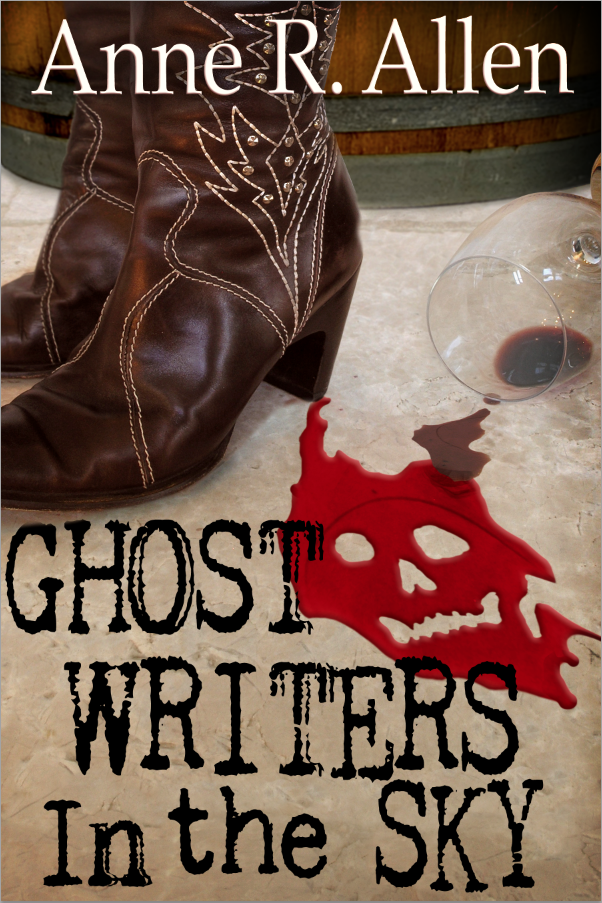
And at one conference, I witnessed an incident of workshop bullying that was so scarring it turned into the inciting incident of my mystery GHOSTWRITERS IN THE SKY. (If you'd like to know more about the dark side of writers conferences--and laugh at them a bit--GHOSTWRITERS is available at the US Amazon.com for $2.99 and the UK Amazon.co.uk and at Barnes and Noble for Nook and Kobo.)

How about you, scriveners? Have you had good or bad experiences with writers' conferences? Were they worth the money? We'd love if you'd share some of your stories. If you've never gone to one, are you planning to? What do you hope to get out of it?

Attention Email Subscribers! Feedburner has had a hissy fit and is no longer sending emails to many people subscribed to this blog. This seems to be happening all over the blogosphere. Many bloggers are switching to other email programs, but I'm such a cybermoron, I'm going to need to get some tech help. Meanwhile, if you'd like to get notifications of new blogposts, and Feedburner has let you down, just send me an email at annerallen at yahoo dot com. I will put you on my list of personal blogfriends and send you a notice when the Sunday blogpost is up. (I promise not to spam you with anything else.)
Read More
Posted in Catherine Ryan Hyde, Central Coast Writers Conference, David Gaughran, How to Be a Writer in the E-Age, Janet Reid, Nathan Bransford, Shaw Guides, Talli Roland, Victoria Mixon, Writers' Conferences | No comments

Sunday, 1 January 2012

Confessions of a Former Query Addict

Posted on 10:14 by Unknown

Happy 2012! 

What a year it’s been. Exactly a year ago, I woke on New Year’s Day to one of those emails that used to flood my brain with a mix of adrenalin, serotonin, and hope—a burst of euphoria that somehow made my life of constant rejection bearable. It’s a high only an aspiring author knows.

There it was in my inbox on New Year's morning—a positive response to a query I’d sent to an agent months before: 

 “Your writing is delightful, and your characters are original and inviting. I would cheerfully read anything you wrote. I think you’re very talented…” I started to squee and do a happy dance.

Then I read on. It was a no.

The agent was turning it down because “the market has become unforgiving of the isolated well-written mystery. Series do better.”

But…it was one of my Camilla Randall mysteries! The only reason I hadn’t mentioned it is I knew a querier shouldn’t mention more than one book at a time. A major no-no. So I wrote back, groveling, saying the book was indeed part of a series—would she, pretty please, like to read book one?

Two days later I got a yes. I sent off the ms. for The Best Revenge.

...and never heard another word.

For all I know, the manuscript is still sitting in some unpaid intern’s e-slush pile.

I continued on this hamster wheel for another—I hate to admit this—eight months, sending out query after query to every agent who’d ever sold a mystery like mine. This on top of four previous years of query hell. Yes, that adds up to nearly five years. (My first publisher went under in 2006.)

And before I found that publisher, I’d spent much of the late ’90s and early ’00’s doing the same thing. Several queries took, and I was represented for much of that time, so instead of query hell, I’d lived in submission hell—another neighborhood in the same arrondissement of Hades, with slightly more prestigious real estate.

It was like being addicted to a drug. Those few “yes” responses--a request for a partial here, a full there, an "I love this, but..." glowing rejection--gave me the highs that kept me going and going, hoping for that one big score.

But I was saved by an accidental intervention by three people: my blog partner Ruth Harris, editor Les Smith at Popcorn Press, and author/editor/international entrepreneur Mark Williams at MWiDP.

Ruth’s comments here on the blog and elsewhere were my first wake-up call. Here was a bestselling author whose work I loved, who had made it to the pinnacle of writerly success—the New York Times bestseller list. She’d also been an editor at several of the Big Six houses. And she’d walked away from all of it in order to self publish. I had to admit maybe there was something to this indie thing.

Then I heard from Popcorn Press—a small indie publisher whose editor liked my blog, admired my professionalism, and wanted a look at my backlist. It took me a few months, but finally I offered them my two backlist titles.

But for my three new titles, I was still jonesing for that big score. I clung to hopes that my latest—the Hollywood mystery, The Gatsby Game—would finally land me an agent. I figured since it offered a solution to one of the ten most notorious Hollywood mysteries of all time—which is still unsolved—New York might see some potential money in it.

In September, I finally got that offer I’d been dreaming of for five years. Here was my big score--an offer of representation!

But it came with an astronomical price tag. The agency wanted a total rewrite. Not an edit. A tear-it-up-and-start-over rewrite. I was going to have to eliminate all mystery elements, humor, gay characters, and ties to the real Hollywood scandal. They wanted a simple, Harlequin-type romance.

Not only was I going to have to give up the story I’d been aching to tell for decades, I was also going to have to erase my own personality: squelch all my Dorothy Parker snark to become Barbara Cartland-sweet

It took me three days, but I finally had to admit the price of that fix was too high.

Enter Mark Williams. He had read Sherwood, Ltd as a favor, to check for the accuracy of my Brit dialogue. He loved it. And it seemed he was starting a new international publishing venture. He made me an offer on all three books—to launch before Christmas.

By Christmas.

Not maybe-get-an-agent-someday and possibly-publish-three-years-later-if-you're-really-lucky. He wanted to publish all of my new books in the next three months. He also wanted quite a bit of editing (Les at Popcorn wanted some, too.) But these were real edits: aimed at improving the books, not just wedging them into some marketer’s wish list. Still, doing them in that time frame--while promoting the other books--seemed deeply bonkers.

I said yes anyway.

The last three months have been a brain-frying marathon, but somehow, all five books were e-published between Sept 28th and Dec. 28th.  An amazing example of teamwork. Thanks Les and Mark! Look what we did!

. 

I also must to thank Laura Morrigan of Covers by Laura, Megan Derico of Derico Photgraphy and Katheryn Smith at Popcorn for designing such fantastic covers.

All five novels should be available in paper early this year from Popcorn. I love the quality of the paper copies Popcorn has done for Food of Love—while keeping the price under $10. I hope they’ll be able to do the same for the others..

And I also have to mention the two anthologies that came out in the same three months. Saffina Desforges Presents, from Mark Willams and co. and Indie Chicks from the fantastic group of independent women authors brought together by the hard-working Cheryl Shireman (to read her inspiring piece, check out my INDIE CHICKS PAGE) 

And I owe a huge amount of thanks my wonderful blog partner, Ruth Harris, for keeping this blog going while I was going a little nuts over the past three months. (OK, a lot nuts.)

Am I saying you should all stop the agent query process and start looking at small publishers? Not at all. For one thing, you generally have to query them, too. And if you’re considering that route, remember small publishers vary wildly. Read the contract carefully and have it checked by a lawyer or publishing professional. They should be offering a much better royalty than Big Six, because there will be no advance.

The biggest drawback with a lot of small publishers is the price of the books to consumers—often close to $20 for a paperback. It’s very hard to sell many units at that price. Ditto high-priced ebooks. Anything over $5 is a very hard sell for a non-name author, so be sure to check a publisher’s prices before you query.

But for me, this route has been like getting off a drug that was killing me. There’s a saying attributed to everybody from Freud to Einstein (but probably penned by Rita Mae Brown) that says “the definition of insanity is expecting different results from the same behavior.”

That’s what I was doing, sending out those endless queries.

From that agent’s rejection I got a year ago today, I should have realized I wasn’t on the right path. Nothing was wrong with my writing, but my work was never going to fit into the wish lists of the Big Six, who are increasingly focusing on a younger demographic.  

But readers are another story. I’m building momentum with steady sales, and when MWiDP offered The Gatsby Game free for four days on the KDP direct plan last week, it hit #40 in contemporary fiction and got over 2500 downloads. And now The Best Revenge is climbing the charts.

I'm not against the query process. I still think most new writers benefit from it, and it's still the most reliable path to a professional writing career. But we also need to know when to quit and try something different..

If you’re young and write YA, especially steampunk or another trending genre, there’s a very good chance you’ll land an agent and maybe even a contract with a Big Six publisher. But if, like me, you’ve built up solid inventory and are getting the same “this is beautifully written, but…” results, it may be time to give up the query addiction and take charge of your own career.

And maybe next year, instead of waking up to one more close-but-no-cigar rejection, you’ll have a bunch of your very own titles on Amazon, available to readers and actually making you some money.

And maybe you’ll even get some good reviews, which are a better high than even a request for a full manuscript. Seriously--way better. I am lucky enough to have had some fantastic reviews from people whose opinions I value highly, like Irish author Gerry McCullough, Canadian reviewer Benoit Lelievre at Dead End Follies , Regency Romance author Anne Gallagher, and Book Blogger Donna Hole  Many thanks to you as well as all the other wonderful readers who have left such great reviews on Amazon and Goodreads.

For a great overview of this tumultuous year in publishing, I recommend David Gaughran’s superb wrap-up post on what happened in self-publishing in 2011.

And if you’re considering indie publishing, read Kristen Lamb’s wonderful post on the subject last week.

How about you, scriveners? Have you ever been addicted to the query process? How long do you think a person should keep querying before they look for another path?

Click Here to go to the Fair
This week I’ll be joining in Susan Kaye Quinn’s Internet Indie Book Festival. She’ll be providing readers with a look at some brand new indie titles for your new Christmas Kindle (I got mine! Love it!) Stop by for a look at some great new, affordable books that were released in November and December.

Read More
Posted in Anne Gallagher, Benoit Lelievre, David Gaughran, Donna Hole, Gerry McCullough, indie publishing, Katheryn Smith, Kristen Lamb, Laura Morrigan, Meghan Derico, query hell, Ruth Harris, Small Publishers | No comments
Older Posts Home
Subscribe to: Posts (Atom)

Popular Posts

  • The Rules of Writing...and Why Not To Follow Them
    Somerset Maugham famously said, "There are three rules for writing. Unfortunately, nobody knows what they are." But pretty much ev...
  • Wimpy Kid Eats George Bush’s Lunch
      Last week George W. Bush’s memoir gave Random House their best opening day sales in seven years—170,000 print copies. BUT—on the same day,...
  • The Secret Writing Rule Book…and Why to Ignore It
    Somerset Maugham famously said, "There are three rules for writing. Unfortunately, nobody knows what they are." But pretty much ev...
  • Why You Should be Writing Short Fiction
    Update: I'm so pleased this post has had thousands of hits over the last year and is energizing so many writers to take up short fiction...
  • Friday the 13th
    I'm starting a blog on Friday the 13th. What does that say about me? Am I thumbing my nose at superstition, or commencing an exercise in...
  • 12 Dos and Don'ts for Introducing your Protagonist
    Welcome all my new followers. And thanks for all the comments! This weekend I spoke at a local workshop for the mystery writers group, Siste...
  • HOW DO YOU KNOW YOU’RE REALLY A WRITER?
    Ever get the “OMG I’m-not-really-a-writer, why-am-I-kidding-myself” blues? Agent Nathan Bransford calls them the “Am-I-Crazies.” Most of us ...
  • NaNoWriMo—Should You Join in the Silliness? 9 Reasons to Consider it.
    F irst: full disclosure—I've never NaNo'ed. I'm a slo-o-o-w writer. My editor despairs. I've got a new Camilla Randall myste...
  • How to Blog VI: 15 Tips for Guest Bloggers
    Guest posting on blogs is a great marketing tool. The frenzy for blog tours seems to have quieted down a bit  recently, but whether you’re l...
  • 12 MYTHS ABOUT GETTING PUBLISHED
    When you’re a beginning writer, you’re likely to get bombarded with advice from all quarters—your family, your friends, your hairdresser, an...

Categories

  • 'textr
  • #QueryFail
  • #zombiefail
  • $13 e-reader
  • 10 thousand-hour rule
  • 20 Master Plots
  • 20th Century Woman
  • 21st Century prose
  • 21st Century writing
  • 3:17 AM
  • 7 Basic Plots.
  • 99 cent book bubble
  • 99-cent e-books
  • A Christmas Carol
  • A Midsummer Night's Dream
  • A.J. Sykes
  • AbFab
  • Absolute Write
  • Academic Body
  • Achieving your writing goals
  • Adele McAlear
  • Adventures in Children's Publishing
  • advice for nonfiction writers
  • advice for writers
  • advice on craft
  • Advice to writers
  • agent
  • agent blogs
  • Agent Jenny Bent
  • Agent Laurie McLean
  • agent Meredith Barnes
  • Agent rejection
  • Agent Sara Megibow
  • Agent Savant
  • agent scam
  • AgentQuery
  • AgentQuery Connect
  • AgentQueryConnect
  • Aisha Iqbal
  • Alan Rinzler
  • Alex J. Cavanaugh
  • Alexa Ratings
  • algorithms
  • Alice Walker
  • Alicia Street
  • Alison Tait
  • All Fall Down
  • Amanda Hocking
  • Amanda Katz
  • Amanda McKittrick Ros
  • Amazon
  • Amazon Book of the Month
  • Amazon buy page
  • Amazon categories
  • Amazon monopoly
  • Amazon publishing imprints
  • Amazon Review Guidelines
  • Amazon review removal
  • Amazon reviews
  • Amazon rules
  • Amazon Singles
  • Amy Riley
  • Andrea Brown
  • Andrew Loog Oldham
  • AndWeWereHungry
  • Ann Best
  • Ann Carbine Best
  • Ann Lamott
  • Ann Patchett
  • Anne Gallagher
  • Anne R. Allen
  • Anne R. Allen. SLO Nightwriters
  • Anne Rice review
  • Anne Schroeder
  • Anonymice
  • Antagonist
  • Anthologies
  • Apple Store
  • Author abuse
  • Author bio
  • author branding
  • Author Collectives
  • Author Platform
  • Author power
  • Author scams
  • author websites
  • Author's Guild
  • Awesome Screenshot
  • Back Matter
  • bad reviews
  • Bantam
  • Barbara Rogan
  • Bargain Ebook Newsletters
  • Barnes and Noble
  • Barry Eisler
  • Bear State Books
  • Beating the Breakdown
  • Beginning Novelist
  • being yourself on purpose
  • Beniot Lelievre
  • Benoit LeLievere
  • Benoit Lelievre
  • Berkley Heat
  • Best Damn Creative Blog
  • Best Damn Creative Writing Blog
  • Best links for writers
  • bestseller lists
  • beta readers
  • Betty Jo Stevenson Rides Again
  • Big 6 editor
  • Big 6 publishers
  • Big 6-5-4
  • Big Boss Troublemaker
  • Big Publishing
  • Big Six
  • Big Six editors
  • Big Six publishers
  • Big Six publishing
  • Big Six rules
  • Bing
  • Bit.ly
  • Black Balloon Publishing
  • Blake Morrison
  • Blame the Writer
  • Blog a book
  • Blog community.
  • blog followers
  • Blog hop
  • blog kudos Kittie Howard
  • blog of the week
  • Blog tour
  • Blogfests
  • Blogger having technical problems
  • Blogger sux
  • Blogging
  • blogging awards
  • blogging for authors
  • blogging pitfalls
  • blogging rules
  • blogging tips
  • Blogging tips for writers
  • Bloghops
  • blogs
  • Blurbs
  • Bob Mayer
  • bogus agents
  • bogus writing contests
  • Book Blogger
  • book bloggers
  • book doctors
  • book editing
  • book launch party
  • Book Luvin’ Babes
  • Book Marketing
  • Book review blogs
  • book reviewers
  • Book Reviews
  • Bookalicious Pam
  • BookBaby
  • BookBub
  • BookCountry.com
  • Bookends LLC
  • BookTour.com
  • Boomer Lit
  • BoomerLit
  • Boomers
  • Borders
  • Brainwashed
  • Brave New Trail Conference
  • building platform
  • Bullying
  • Burnout
  • Burt Reynolds
  • Butterfly Syndrome
  • C. Hope Clark
  • C. S. Perryess
  • Calibre
  • Camilla Randall mysteries
  • Camille LeGuire
  • Can You Use Song Lyrics in Novels
  • Canadian comedians
  • CAPTCHA
  • Careful or You'll End Up in My Novel T-shirts
  • Casey McCormack
  • Casey McCormick
  • Castle
  • Cathe Olson
  • Catherine Ryan Hyde
  • CC Coast Writers Conference
  • Censorship
  • Central Coast Sisters in Crime
  • Central Coast Writer’s Conference
  • Central Coast Writers Conference
  • Chanel and Gatsby
  • Charity Anthologies
  • cheap ebooks
  • Cheryl Shireman
  • Chick Lit is Not Dead
  • Chick Lit News and Reviews
  • Chocolate
  • Chris Baty
  • Christine Ahern
  • Christmas books
  • Christopher Moore
  • Chuck Wendig
  • Church of the Flying Spaghetti Monster
  • Clarissa Draper
  • Claude Nougat
  • Colleen Lindsay
  • Colonel Baker's Field
  • Colorado Tragedy
  • Columbia College Chicago
  • comedy-mystery
  • comic thriller
  • Compose magazine
  • Connie Brockway
  • Consuelo Saah Baehr
  • Consuelo Saah Baer
  • coping with rejection
  • Copyright
  • Copyright laws
  • copyright your plot
  • Courtnee Howard
  • cozy mysteries
  • Crash into You
  • Crazy-Makers
  • Creating memorable characters
  • creative writing courses
  • creativity
  • Crime Writers of Canada
  • critique groups
  • critique groups and criticism
  • critiquecircle.com
  • Cyber-bullying
  • cyberbullies
  • Cyberbullying
  • Cybermen
  • D. G. Sandru
  • D.D. Scott
  • Dallas Morning News
  • Dani Amore
  • Danielle Smith
  • Dave Congalton
  • David Fagin
  • David Gaughran
  • David Streitfeld
  • David Whiting
  • DC Stanfa
  • DD Scott
  • Dean Wesley Smith
  • Death and Digital Legacy
  • Death of the American Author
  • Death of the Big 6
  • Decades
  • Delilah S. Dawson
  • Depression and Writers
  • Derek Haines
  • Derico Photography
  • developing your writing style
  • DGLM
  • Digital Age Authors
  • Digital Age E-Authors
  • digital paper
  • Do authors need to blog
  • Do I need an agent? platform
  • do’s and don’ts for writing a memoir
  • Does my writing suck? Anne R. Allen
  • DoJ lawsuit
  • Don't Let Me Go
  • Donelle Lacy
  • Donna Fasano
  • Donna Hole
  • Dorothy Parker
  • Double Feature
  • Douglas Rushkoff
  • Dr. Martha Stout
  • Dr. Who
  • Dream-smashers
  • Dreams do Come True
  • Dreams vs. goals
  • Duolit
  • E-Book Revolution
  • e-readers
  • E. M. Forster
  • Ebook Marketing
  • eBook pricing
  • Ebook revolution
  • ebookbargainsuk
  • EBUK
  • ECollegeFinder Top Writing Blog
  • Edit Ink scam
  • Editing
  • Editor David Blum
  • editor Jamie Chavez
  • Elaine Raco Chase
  • Elisa Lorello
  • Elizabeth Ann West
  • Elizabeth Joss
  • Elizabeth S. Craig
  • Elizabeth Spann Craig
  • Emily Cross
  • English major
  • English speakers in India
  • episodic storytelling
  • Eric Feldon
  • Erica Jong
  • Erotica
  • Escargot Books
  • Evernote
  • Facebook
  • Facebook Other Folder
  • Fair Use
  • Fall into You
  • Feedburner
  • Fiction Groupie
  • Fiction writers
  • Fight Depression
  • Finger Lickin’ Dead
  • firing an agent
  • first chapters
  • First Rights
  • fixes for a stalled novel
  • Flipboard
  • Food of Love
  • Foreword Literary
  • Frazzled
  • free books
  • free ebook give-away
  • Free Elements of Style
  • free online resources for writers
  • Freelance book editors
  • Front Matter
  • Funds for Writers
  • Fussy Librarian
  • Future of bookstores
  • Future of publishing
  • Gabriele Lessa
  • GalleyCat
  • Gary Canie
  • Gary Trudeau
  • Gatekeepers
  • Geek-chic
  • Gerry McCullough
  • getting out of your own way
  • Ghostwriters in the Sky
  • GIFs
  • Ginger Clark
  • Glimmer Train
  • Golden Age of Publishing
  • Goodbye Emily
  • Goodreads
  • Google Authorship
  • Google+
  • GooglePlay
  • Gordon Wornock
  • grammar lessons
  • Grammar nerds
  • Gravatar.com
  • Groupthink
  • Guest blogging
  • Hate Facebook
  • Hire an Editor
  • history of the novel
  • Hive Mind
  • holiday gifts for Grandma
  • Holli Moncrieff
  • Hollywood scandal
  • Homer
  • Hooked
  • Hope Clark
  • How to be a Writer in the E-Age
  • How Do I Know I'm a Writer?
  • how much should you pay a book editor
  • how not to blog
  • how not to pitch to agents video
  • how not to publish
  • How not to spam
  • How Not to Start a Novel
  • How to barf a book
  • How to be a good blog guest
  • how to be a successful author
  • How to be a Writer
  • How to Be a Writer in the E-Age
  • How to be Googleable
  • how to blog
  • how to deal with negative reviews
  • How to deal with rejection
  • How to edit your own work
  • How to find a publisher
  • How to find plot ideas
  • How to get a book published
  • How to get an agent
  • How to get your book rejected
  • how to get your book reviewed
  • how to pitch a book
  • How to prepare a manuscript
  • how to publish a memoir
  • How to publish a novel
  • How to Query
  • How to Query a Blogger
  • How to query a book blogger
  • how to query a book reviewer
  • how to sell on Amazon
  • How to sign up for Google+
  • how to start a blog
  • how to start a novel
  • How to stay safe online
  • How to Tweet
  • how to write
  • How to write a bestselling novel
  • how to write a blurb
  • how to write a book product description
  • How to Write a Damn Good Novel
  • how to write a memoir
  • how to write a novel
  • how to write a novel based on real life
  • how to write a synopsis
  • How to write an Amazon review. Amazon star ratings. Jeff Bezos
  • How to Write Better
  • how to write blog headers
  • how to write funny
  • how to write memoir
  • How to write memorable fiction
  • Hugh Howey
  • humor
  • humor writing
  • humorous mystery
  • Husbands and Lovers
  • I Hate Trends
  • IBBA Awards Finalist
  • Imagine: How Creativity Works
  • inciting incident
  • independent bookstores
  • India Drummond
  • indie authors
  • Indie bookstores
  • Indie Chicks Anthology
  • Indie or Traditional Publishing?
  • indie publishing
  • Indies Unlimited 10 Best Blogs for Indie Authors
  • Indiestructible
  • Insecure Writers Support Group
  • Insult Ferrets
  • International Ebook Markets
  • Internet bullying
  • Internet trolls
  • iPad
  • ISBN
  • J. A. Konrath
  • J. K. Rowling
  • J.K. Rowling
  • Jack King
  • Jacqueline Susann
  • James Frey
  • James N. Frey
  • James Patterson
  • Jami Gold
  • Jane Friedman
  • Janet Reid
  • Janice Hardy
  • Jaron Lanier
  • Jason Kong
  • Jeff Carlson
  • Jenna Glatzer
  • Jennifer Weiner
  • Jenny Bent
  • Jeremy Duns
  • Jess Walter
  • Jesse Stone
  • Jessica Bell
  • Jill Corcoran.
  • Jill Metcalf
  • Jim McCarthy
  • Joanna Harris
  • Joanna Penn
  • Joanne Tombrakos
  • Joe Konrath
  • Joel Friedlander
  • John Allen
  • John Green
  • John Locke
  • John Updike
  • Johnny Base
  • Jon Morrow
  • Jonah Lehrer
  • Josh Swiller
  • Judy Salamacha
  • Julia Cameron
  • Julie Luek
  • Jumpstart the World
  • Justin Cronin
  • Jutoh
  • Karen McQuestion
  • Karin Cox
  • Katheryn Smith
  • Kathleen Duey
  • Kathleen Valentine
  • Kathryn Rusch
  • Kathy Carmichael's pitch generator
  • Katie the book-eating dog
  • KDP Select
  • Keeping your sanity
  • Keith Blount
  • Kevin Spacey
  • Kiana Davenport
  • Kick-ass heroines
  • Kill Your Darlings
  • Kill your television
  • Killing Cupid
  • Killing the Blues
  • Kim Wright
  • Kindle
  • Kindle authors
  • Kindle bestseller
  • Kindle books
  • Kindle ebooks
  • Kindle Millionaires
  • Kindle Nation
  • Kindle publishing
  • Kindle Serials
  • Kindle Singles
  • Kindlegen
  • Kindlegraph
  • Kirkus
  • Klout
  • know your genre
  • Kobo
  • Konrath
  • Kris Rusch
  • Kristen Lamb
  • Kristen McLean
  • Kristin Lamb
  • Kristin Nelson
  • kudos
  • L.B. Gschwandtner
  • L.L Barkat
  • Landing a Book Contract
  • landing an agent
  • Larsen-Pomada Agency
  • Laura Morrigan
  • Laurie McLean
  • Lawrence Block
  • Learn to be a ghostwriter
  • learning to fail
  • Lee Goldberg
  • Leslie Kaufman
  • Lexi Revellian
  • Lila Moore
  • Liliana Hart
  • Lindsay Lohan
  • Lisa Perrat
  • Lisbeth Salander
  • Listening to your heart
  • Literary agents
  • Literary genres
  • literary journals
  • Literary Lab
  • Literary Rambles
  • logline
  • loglines
  • long tail marketing
  • Louise Voss
  • Love and Money
  • Love in Mid Air
  • LR Richardson
  • Luddite
  • Lydia Sharp
  • Mac Tonnies
  • Mad Men
  • Mainak Dhar
  • Malcolm Gladwell
  • Man in the Cinder Clouds
  • Marcia Richards
  • Mariano Rivera
  • Marissa Meyer
  • Mark Billingham
  • Mark Chisnell
  • Mark Coker
  • Mark Edwards
  • Mark Williams
  • Mark Williams International
  • Mark Williams international Digital Publishing
  • Mark Zuckerberg
  • Marketing
  • Martini Madness
  • Mary Sisson
  • Mary Sues
  • Mary W. Walters
  • Matthew Scudder mysteries
  • Mean Girls
  • Meghan Derico
  • Meghan Ward
  • Melodie Campbell
  • Meme
  • memes
  • memoir or fiction
  • memoir writing
  • Mental toughness
  • Meredith Barnes
  • Metadata
  • Michael Brandman
  • Michael Chabon
  • Michael Harris
  • Michael Murphy
  • Michael Ventura
  • Michelle Davidson Argyle
  • Micropresses
  • Mid-Sized Publishers
  • Miss Snark
  • missing Amazon reviews
  • Modern Women
  • Monarch
  • Monetize your blog
  • Montlake Romance
  • Morgen Bailey
  • mss.
  • MWiDP
  • My WANA
  • mystery meat navigation
  • Mystery Writing is Murder
  • Nancy Andreasen
  • NaNoWriMo
  • nasty book reviews
  • Natalie Whipple
  • Nathan Bransford
  • Nathan Fillion
  • National Novel Writing Month
  • Neil Vogler
  • New York Review of Books
  • New York Times bestseller
  • New York Times Book Review
  • newbie advice
  • news
  • Newsetters
  • Nick Hornby
  • Night of the Living Dead
  • Nina Amir
  • Nina Badzin
  • Nisus
  • no new stories
  • No Place Like Home
  • Nook
  • Nora Roberts
  • Notes from Underground
  • Novel structure
  • Nuclear testing
  • NYT Book Reviews
  • Office of Letters and Light
  • Olivia Lewis
  • On the Island
  • Open Education Database
  • opportunities for writers
  • Oprah's Happiest Town
  • Orna Ross
  • overdone plots
  • Overrride: a Thriller
  • paid reviews
  • Pam Van Hylckama Vleig
  • Pam van Hylckama Vlieg
  • pantser vs. planner
  • Park Avenue Series
  • Passive Guy
  • Passive voice
  • Passive writing
  • Past perfect tense
  • Path to Publication
  • Paul Fahey
  • Paul Laity
  • Pay it Forward
  • Paying it Forward
  • PeerIndex
  • Penguin House
  • Peter Ginna
  • Pippa Middleton’s Pilates Coach
  • Plantagenet Smith
  • Plato
  • plot boards
  • Poets and Writers
  • Popcorn Press
  • PopularSoda.com
  • Porter Anderson
  • Posthuman Blues
  • Pottermore
  • Preditors and Editors
  • Prentiss Ingraham
  • Press 53
  • procrastination
  • Product Description
  • professional writers
  • prologues
  • proofreading
  • Protagonist
  • Prue Batten
  • pseudonym
  • pseudonyms
  • psychology for writers
  • Public Domain
  • Public Query Slushpile
  • PublishAmerica
  • Publisher rejections
  • Publisher's Lunch
  • Publisher's Weekly
  • publishing
  • Publishing alternatives
  • publishing business
  • publishing in 2013
  • Publishing Industry
  • publishing news
  • publishing rules
  • Publishing scams
  • publishing trends
  • query
  • query hell
  • query letter
  • Query Shark
  • Query Tracker
  • QueryTracker
  • Quotes4Writers
  • Rachel Thompson
  • Rachelle Gardener
  • Rachelle Gardner
  • Rare Stamps
  • Readwave
  • Reddit
  • RedRoom
  • rejection
  • Reviews
  • Rex Pickett
  • RG2E
  • Rhemalda
  • rhinos
  • Richard Castle
  • Richard Dawkins
  • Richard LaPlante
  • Richard North Patterson
  • Rick Daley
  • Riley Adams
  • Robert B. Parker
  • Robert Lee Brewer
  • Robert M. Caruso
  • Roberta Trahan
  • Robin LaFevers
  • Robin Sullivan
  • Robinson Crusoe openings
  • Robynne Rand
  • Roland Yeomans
  • romantic comedy
  • Roni Loren
  • Rotten Tomatoes Reviews
  • Roxanna Britton
  • Roy and Alicia Street
  • Roz Morris
  • Ruth Ann Nordin
  • Ruth Harris
  • Ruth Harris’s Blog
  • Saffi Desforges
  • Saffina Desforges
  • Saffinia Desforges
  • Samuel Park
  • San Francisco Writers Conference
  • San Luis Obispo
  • Santa Claus stories
  • Santa Ynez CA
  • Sara LaPolla
  • Sarah Miles
  • Sarah Weinman
  • Sarah Woodbury
  • Say Yes to Gay YA
  • scams
  • Schmoozing on Twitter
  • Scholastic's trend report
  • Scott Nicholson
  • Scott Turow
  • Scrivener
  • Secret writing rule book
  • Self e-publishing
  • Self-Editing
  • self-published e-book
  • Self-published ebooks
  • self-publishing
  • self-publishing expenses
  • Self-publishing on Kindle
  • Selling Short Stories on Amazon
  • Semantic Search
  • SEO
  • Seth Grahame-Smith
  • Sex scenes
  • Shaun of the Dead
  • Shaw Guides
  • She Writes
  • Shelly Jump
  • Shelly Thacker
  • Sherrie Petersen
  • Sherwood Ltd.
  • SheWrites
  • Shindig
  • Shirley S. Allen
  • short stories
  • Short stories made into films
  • show don't tell
  • Sibel Hodge
  • Sierra Godfrey
  • Sigil
  • Simon and Schuster
  • Sisters in Crime
  • SLO Nightwriters
  • Slow Blog Manifesto
  • slow blogging
  • Slush pile
  • Small Presses
  • Small Publishers
  • Smashwords
  • Smashwords Mark Coker
  • Snooki
  • Snookibooks
  • Social Lasers of Cruelty
  • Social Media
  • social media etiquette
  • social media for authors
  • Social Media Marketing
  • Social Networking
  • Sociopath
  • sock puppet reviews. Elisa Lorello
  • Sock Puppets
  • software for self-publishers
  • Solstice Celebrations
  • Somerset Maugham's rules of writing
  • Sony
  • Spirit of Lost Angels
  • Spywriter
  • squirrels
  • Stamp Album
  • Stand up to bullies
  • Star Trek IV
  • steal your plot
  • Stephen Leather
  • Stephen Marche
  • stepping in dogma
  • Steve Martin
  • Steve Wilhite
  • Story arc
  • Style Guide
  • Style Sheet
  • Stylish blogger award
  • sucky first drafts
  • Sugar and Spice
  • Sunny Frazier
  • Susan G. Komen Foundation
  • Susan Kaye Quinn
  • Suzanne Collins
  • Sylvia Plath
  • Talli Roland
  • Tawna Fenske
  • Tech woes
  • Tech-Savvy Author winners
  • Tech-Savvy authors
  • Temple Grandin
  • ten most notorious hollywood sex scandals of all time
  • Terence Stamp
  • Terry Pratchett
  • The Atomic Times
  • The Beginning Writers Rule Book
  • The Best Revenge
  • The Chanel Caper
  • The Colbert Book Club
  • The Daily Show
  • The Dark Knight Rises
  • the Digital Beyond
  • The Ebook is the new Query
  • The Fault in Our Stars
  • the fearless writer
  • The Frozen Sky
  • The Gatsby Game
  • The Goddaughter's Revenge
  • the Hays Code
  • The importance of detail in fiction
  • The Lady of the Lakewood Diner
  • The Liar's Bible
  • The Literary Lab
  • the most interesting man in the world.
  • The New Yorker
  • The Night and the Music
  • The Organized Writer
  • The Passive Voice
  • The Plague Year
  • the publishing biz
  • The secret rule book
  • the secret to becoming a successful writer
  • the skinny on agents
  • The Slow Blog Manifesto
  • The Sociopath Next Door
  • The Street-Smart Writer
  • The Tech-Savvy Author
  • The Triskele Trail
  • The Virus that Will Not Die
  • The Wizard of Oz
  • the writing life
  • There's a Book
  • There’s a Book
  • This Burns My Heart
  • Thomas and Mercer
  • Thrillerfest
  • Todd Sieling
  • Tom Johnson
  • Tom Selleck
  • Tom Simon
  • Tony Piazza
  • Top 50 Blogs for Authors
  • Topsy.com
  • Tracy Garvis Graves
  • Trafalmadore
  • TribalMessengerDaily
  • Triskele Books
  • trollosphere
  • Trolls
  • Tsunami of Crap
  • Tweepi
  • Twitchforks
  • Twitter
  • Twitter for Shy Persons
  • twitter handles
  • uses for dryer lint
  • using a pen name
  • V.K. Sykes
  • vanity press
  • Vanity Publishing
  • Victoria Mixon
  • Victoria Strauss
  • VidCon
  • Virgil
  • Walk Me Home
  • Wall Street Journal
  • Walter's Purple Heart
  • web design
  • websites that suck
  • Weebly
  • Wendy Lawton
  • Wendy Sparrow
  • WG2E
  • What rejection means
  • What to blog about
  • When I Found You
  • Where We Belong
  • White Queen
  • Why choose traditional publishing
  • Why You Get Rejected
  • Why You Should Write Short Fiction
  • why your manuscript got rejected
  • William Faulkner
  • WIX
  • Woodstock
  • Wool
  • Wordmonger
  • words to eliminate from your writing
  • Write every day
  • Write for your Life
  • Write it Sideways
  • Write it Sideways 101 best tips for writers
  • Writer Beware
  • Writer burnout
  • Writer Masochism
  • Writer Unboxed
  • Writer's block
  • Writer’s Block
  • Writer’s Emotional Health
  • Writer's Toolkit
  • Writers Cafe
  • writers conferences
  • Writers Digest Best 101 Sites for Writers
  • Writers Toolbox
  • writers’ conference
  • Writers' Conferences
  • Writers’ Conferences
  • writing
  • Writing and Depression
  • writing dos and don'ts
  • writing habits
  • writing humor
  • Writing ideas
  • Writing myths
  • Writing prompts
  • writing rules
  • Writing scams
  • Writing tips
  • Writing to Trends
  • Writing Workshop
  • Your Digital Afterlife
  • your name is your brand
  • YourMemoir.co.uk
  • Zoe Winters
  • Zuri
  • Zuri a love story

Blog Archive

  • ▼  2013 (52)
    • ▼  December (4)
      • The Rules of Writing...and Why Not To Follow Them
      • Author Collectives: The "Third Path" to Publicatio...
      • The Secret to Writing the Dreaded Synopsis...and i...
      • Why Your Grandma Wants an E-Reader for the Holiday...
    • ►  November (4)
    • ►  October (4)
    • ►  September (5)
    • ►  August (4)
    • ►  July (5)
    • ►  June (5)
    • ►  May (4)
    • ►  April (4)
    • ►  March (5)
    • ►  February (4)
    • ►  January (4)
  • ►  2012 (53)
    • ►  December (5)
    • ►  November (4)
    • ►  October (4)
    • ►  September (5)
    • ►  August (4)
    • ►  July (5)
    • ►  June (4)
    • ►  May (4)
    • ►  April (5)
    • ►  March (4)
    • ►  February (4)
    • ►  January (5)
  • ►  2011 (66)
    • ►  December (5)
    • ►  November (5)
    • ►  October (6)
    • ►  September (6)
    • ►  August (4)
    • ►  July (7)
    • ►  June (4)
    • ►  May (6)
    • ►  April (4)
    • ►  March (6)
    • ►  February (5)
    • ►  January (8)
  • ►  2010 (80)
    • ►  December (7)
    • ►  November (6)
    • ►  October (7)
    • ►  September (4)
    • ►  August (7)
    • ►  July (8)
    • ►  June (10)
    • ►  May (7)
    • ►  April (5)
    • ►  March (6)
    • ►  February (6)
    • ►  January (7)
  • ►  2009 (44)
    • ►  December (7)
    • ►  November (11)
    • ►  October (11)
    • ►  September (5)
    • ►  August (3)
    • ►  July (4)
    • ►  June (2)
    • ►  March (1)
Powered by Blogger.

About Me

Unknown
View my complete profile